2POOD vs Rogue vs Element 26 CrossFit Belt
A CrossFit belt has to do a slightly awkward job. It should feel solid when the bar is heavy, but it should not turn every transition into a costume change. If you are moving from back squats to box jumps, or from cleans to burpees, the wrong belt can feel like one more thing fighting the workout.
The practical answer is not “buy the stiffest belt.” For most WOD use, the better question is: which closure, profile, and fit gives you enough brace without slowing you down? This comparison looks at the 2POOD 4 inch velcro belt, the Rogue USA Nylon Weightlifting Belt, and the Element 26 Self Locking Weightlifting Belt using official product information checked in July 2026, plus editorial judgement from CrossFit-style use cases. We do not claim first-hand testing; see our editorial policy and about page for how we handle affiliate review content.
Quick Verdict: 2POOD vs Rogue vs Element 26 CrossFit Belt
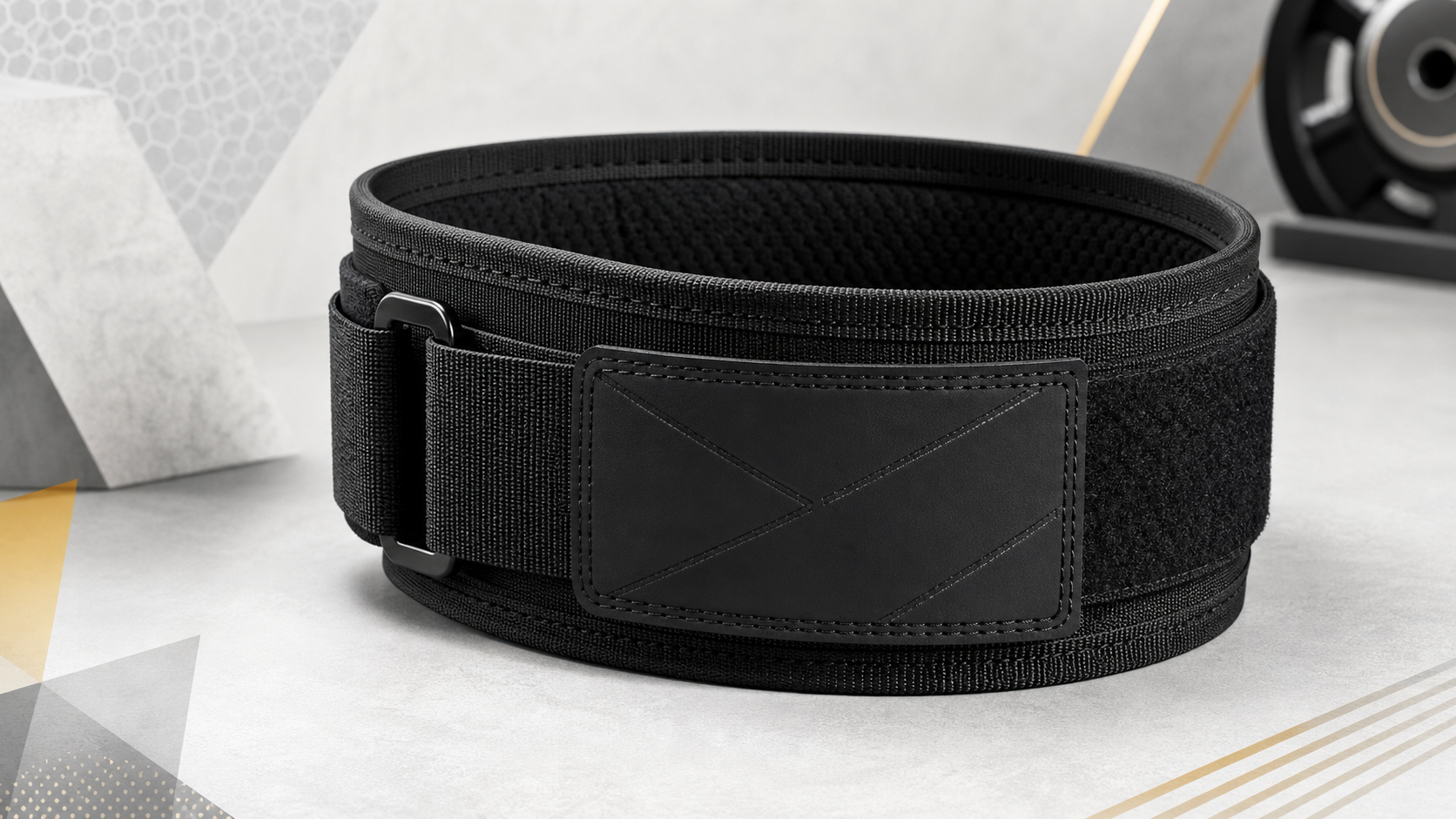
Choose 2POOD if you want the most CrossFit-specific feel of the three: a 4 inch straight belt, WODClamp fastening, many designs, and a sizing approach built around wearing the belt near the belly button rather than the trouser waist.
Choose Rogue if you want a more structured nylon belt with a 5 inch back panel tapering to 4 inches at the front. Rogue lists a 0.25 inch foam frame, ripstop exterior, antimicrobial inner, and a smooth buckle and roller on the Rogue USA Nylon Weightlifting Belt.
Choose Element 26 if you want a lower-cost, quick-release nylon belt. The Element 26 Self Locking Weightlifting Belt lists a sale price from $34.97 at the time checked, a quick-release buckle, 100% premium nylon, a uniform profile, and sizes from Extra Small to 2XL.
None of these should replace learning how to brace. 2POOD’s own belt guidance says a belt does not replace your core, and that is the right frame for this category.
Comparison Table
| Belt | Checked price in July 2026 | Profile | Closure style | Size range shown | Better fit for | Watch out for |
|---|---|---|---|---|---|---|
| 2POOD Black Velcro Patch 4" Weightlifting Belt | $64.99 | 4 inch straight belt | Velcro with WODClamp | XXXS to XL on product page | CrossFit WODs, style choice, fast loosening | Straight 4 inch profile may feel tall on short torsos |
| Rogue USA Nylon Weightlifting Belt | $59.50 | 5 inch back tapering to 4 inch front | Smooth buckle and roller with support strap | XS to 3XL | Heavier lifting days where more back coverage helps | Less design variety than 2POOD; patch sold separately |
| Element 26 Self Locking Weightlifting Belt | $49.99 regular, sale from $34.97 | Uniform nylon profile | Self-locking quick-release buckle | XS to 2XL | Budget-conscious buyers and quick transitions | May not feel as structured as Rogue for heavier barbell work |
Prices and availability change. Check current pricing before buying.
2POOD 4 Inch Velcro Belt: Better for CrossFit Identity and WODClamp Security
The 2POOD belt is the most CrossFit-coded option in this comparison. Its 4 inch belt collection lists many designs at $64.99, and the Black Velcro Patch product page describes a customizable velcro-backed panel, sizing around the belly button, and a WODClamp fastening system.
The key difference is the WODClamp. 2POOD describes it as a way to reduce pressure on the velcro strap, improve security, and let the belt stay on while you tighten or loosen it during a workout. That matters for mixed pieces where you want the belt tight for cleans but relaxed for toes-to-bar, rowing, or burpees.
The product page also gives useful fit advice: measure around the belly button rather than using pant waist size, and consider the 3 inch petite belt if the 4 inch version rides into the ribs. That makes 2POOD a strong choice if you already know a straight 4 inch belt works for your torso.
The tradeoff is that the same broad 4 inch feel that gives consistent pressure can be too much for shorter athletes. If you have a short rib-to-hip distance, read our CrossFit weightlifting belt fit guide before choosing the 4 inch version.
Rogue USA Nylon Weightlifting Belt: Better for Structured Support
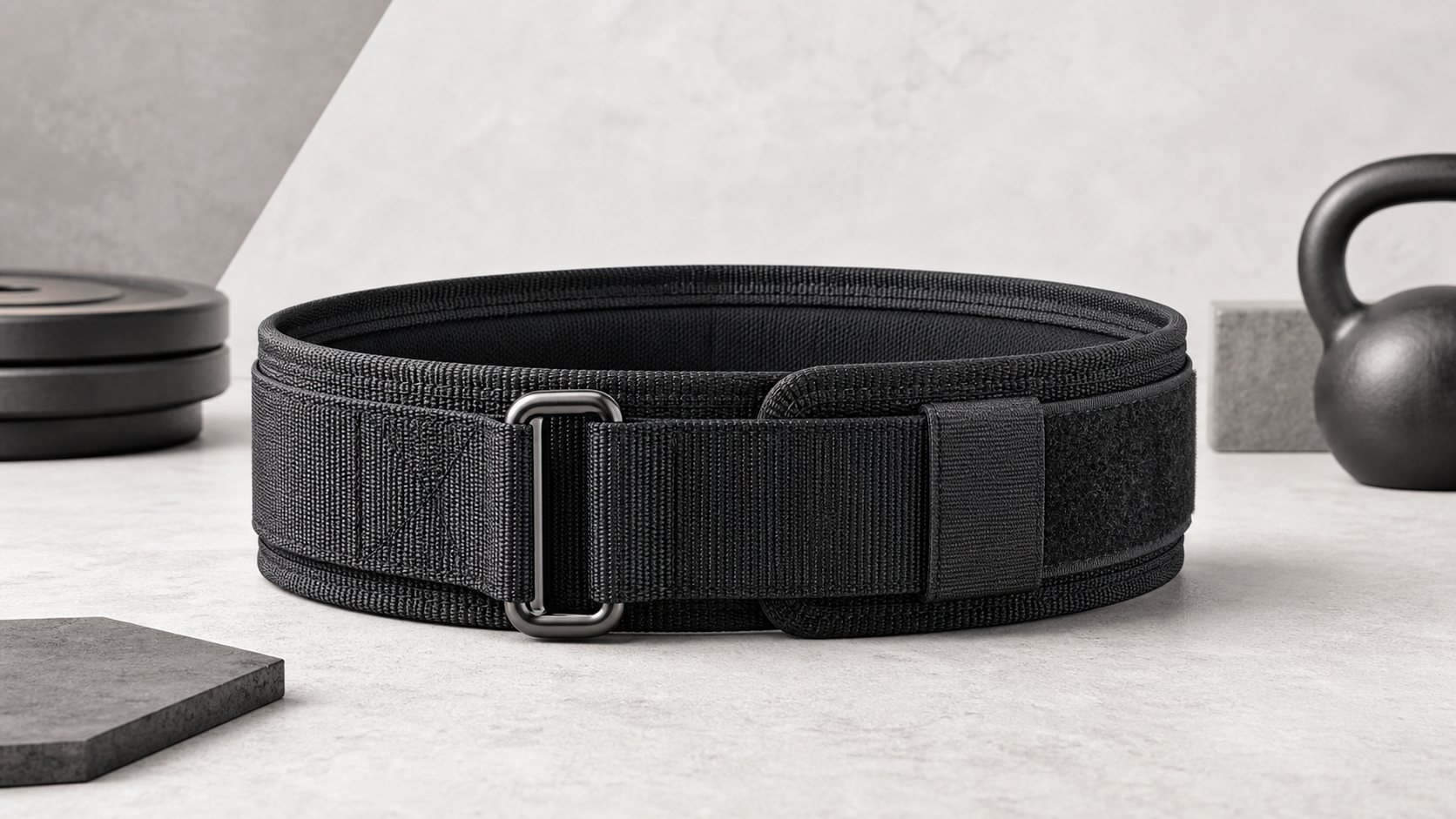
Rogue’s USA Nylon Weightlifting Belt takes a different approach. The official page lists a 5 inch back panel tapering down to 4 inches in front, a 3 inch nylon support strap, and a 0.25 inch foam frame with a ripstop exterior and antimicrobial inner. It also lists XS through 3XL sizing and a $59.50 price when checked.
That tapered shape is the main reason to choose Rogue. A wider back panel can feel more supportive during squats, pulls, and heavy strength work, while the taper helps reduce front-body bulk compared with a fully straight wide belt. If your training week has a dedicated heavy squat or deadlift day, Rogue has a strong case.
Rogue also notes that the belt was co-developed with Mat Fraser and has an easy-to-find folded strap end for faster loosening or removal mid-workout. Treat that as useful context, not as proof that it will fit every athlete. The real decision is profile and fit: do you want more back coverage than a straight 4 inch belt, and do you like the way a tapered belt sits on your torso?
Choose Rogue over 2POOD if you want a more structured nylon feel and do not care as much about design variety. Choose 2POOD if the WODClamp and straight 4 inch pressure pattern matter more.
Element 26 Self Locking Belt: Better for Price and Simple Quick Release
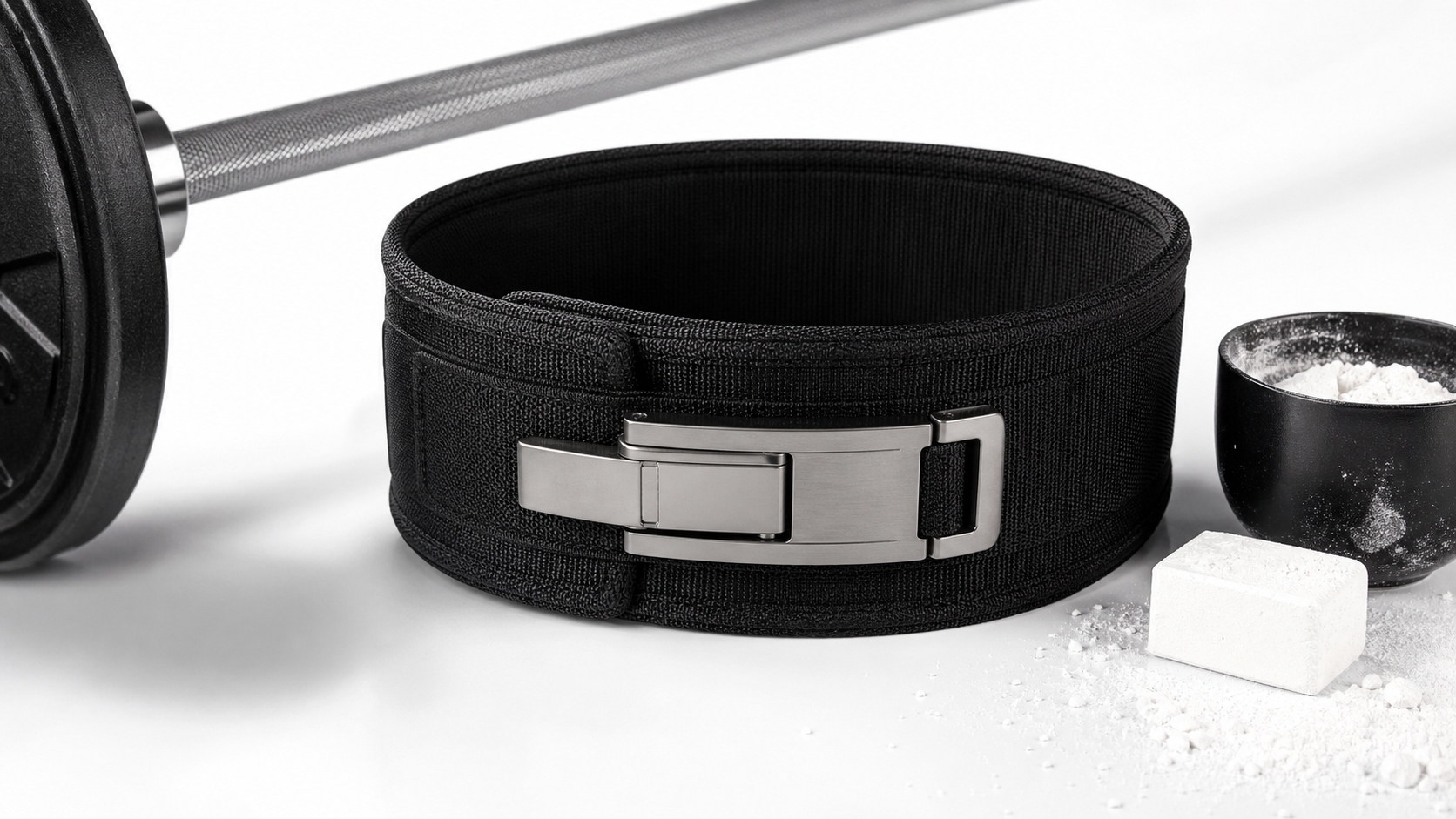
Element 26 is the value play here. The official product page lists a $49.99 regular price and a sale price from $34.97 when checked, with a quick-release buckle, uniform profile, 100% premium nylon, and lifetime warranty.
The self-locking buckle is the reason this belt gets attention from functional fitness buyers. You can tighten the belt for a lift, release pressure quickly, and avoid choosing between fixed buckle holes. Element 26 also offers multiple colors, including Carbon Black, Magnesium White, Potassium Purple, Miami Pink, OD Green, Ranger Tan, Midnight Blue, Lithium Red, and Yellow.
The tradeoff is support feel. A uniform nylon belt can be comfortable and easy to use, but it may not feel as structured as Rogue’s thicker tapered foam frame. SELF’s 2025 weightlifting belt guide also frames the Element 26 nylon belt as more beginner-friendly and notes that velcro-style systems may not feel as secure for very heavy lifting compared with more rigid leather options.
That does not make Element 26 a poor choice. It means the buyer should be honest about the job. If you want a simple belt for moderate barbell work, WOD transitions, and learning how to brace against a belt, Element 26 is easy to justify. If your main concern is maximal support for heavy singles, look at a stiffer belt category or compare leather options separately.
Which Belt Should You Choose for Common CrossFit Scenarios?
If your workouts are mostly mixed WODs, choose 2POOD or Element 26 first. Both are built around fast adjustment, and both make more sense than a stiff powerlifting belt when the workout includes gymnastics, conditioning, and cycling a barbell under fatigue.
If your week includes heavier strength sessions before the metcon, Rogue becomes more attractive. Its 5 inch back panel and foam frame give it a more structured profile, while still staying in the nylon belt category.
If you care about personal design, 2POOD has the clearest advantage. The 4 inch collection includes many designs, and the Black Velcro Patch version lets you use velcro-backed patches. That does not lift the bar for you, but gear you actually like wearing tends to get used more consistently.
If price is the deciding factor, Element 26 is the practical pick. Sale pricing can change, but at the time checked it was clearly lower than the 2POOD and Rogue options in this comparison.
If torso length is your main concern, do not buy from a table alone. A 4 inch belt can ride into the ribs for some athletes, while a 5 inch back panel can feel like too much coverage for others. Start with our belt fit guide and measure where the belt will actually sit.
How This Belt Choice Connects to Your Other CrossFit Gear
A belt should fit the rest of your training setup. If your shoes are unstable, your belt will not fix your squat mechanics. If your grips are too bulky, keeping a belt on through gymnastics transitions can feel worse. If your rope is set up poorly, no belt will make double-unders smoother.
For footwear, compare training-shoe tradeoffs in our Nike Metcon 9 vs Reebok Nano X4 vs TYR CXT-2 guide. For conditioning days, our CrossFit jump rope picks for double-unders covers cable and handle choices. For bar work, see our CrossFit grips guide for pull-ups and toes-to-bar. If you still want a broader belt shortlist, use our CrossFit weightlifting belts for WODs article after this comparison.
Buying Notes Before You Click
Use the brand’s sizing chart, not your jeans size. 2POOD and Rogue both specifically point readers toward measuring the area where the belt is worn, not the pant waist. For most lifters, that means around the belly button area or the place the belt will sit during a squat and pull.
Decide whether you want the belt to stay on through the whole workout. If yes, 2POOD’s WODClamp and Element 26’s quick-release style are attractive. If no, Rogue’s more structured support may be easier to justify for a strength-only block.
Be careful with medical promises. A lifting belt can help you brace against pressure, but it is not a treatment for back pain and it does not replace coaching, form work, or appropriate loading. If you are buying because of pain, talk to a qualified professional before relying on equipment.
Affiliate disclosure: this article may include affiliate links. If you buy through them, we may earn a commission at no extra cost to you. Our recommendations stay based on source-backed product information and practical buyer fit.
FAQ
Is 2POOD better than Rogue for CrossFit?
2POOD is usually the more CrossFit-specific choice because of its WODClamp fastening, 4 inch belt range, and design variety. Rogue is better if you want a more structured nylon belt with a 5 inch back panel tapering to 4 inches in front. The right choice depends on torso fit and how often you transition mid-WOD.
Is Element 26 good enough for heavy lifts?
Element 26 can make sense for functional fitness athletes who want a lower-cost nylon belt with a quick-release buckle. For very heavy barbell work, some lifters may prefer Rogue’s more structured frame or a leather belt. Do not treat any nylon belt as a shortcut around proper bracing technique.
Should I choose a 4 inch or 5 inch CrossFit belt?
A 4 inch belt gives a consistent feel around the torso, while a 5 inch back panel can add more rear coverage. Shorter athletes may find taller belts uncomfortable near the ribs. Measure where the belt will sit and check the brand’s size chart before ordering.
Can I wear a belt for an entire WOD?
You can, but it depends on the workout. For heavy cleans, squats, or deadlifts inside a WOD, a belt can be useful. For burpees, rowing, running, or gymnastics, many athletes loosen it or remove it. Fast-adjusting nylon belts are more practical for this than stiff leather belts.
Which belt is the better value: 2POOD, Rogue, or Element 26?
Element 26 had the lowest checked sale price in July 2026. Rogue sits in the middle with a more structured tapered design. 2POOD costs more than Element 26 but adds WODClamp fastening, design variety, and strong CrossFit identity. Value depends on whether price, support, or transition speed matters most.
Title Candidates
- 2POOD vs Rogue vs Element 26: Which CrossFit Belt Fits Strength Days and WOD Transitions?
- 3 CrossFit Belts Compared: 2POOD, Rogue, and Element 26 for WODs
- The CrossFit Belt Choice Most Athletes Overthink: 2POOD vs Rogue vs Element 26
- Which Nylon Lifting Belt Should You Trust for WODs: 2POOD, Rogue, or Element 26?
- Before You Buy a CrossFit Belt, Compare 2POOD, Rogue, and Element 26