CrossFit Weightlifting Belt Fit Guide
A CrossFit belt has to do a harder job than a powerlifting-only belt. It may need to support a heavy back squat, then get loosened before burpees, then tighten again before cleans. If the belt is too soft, it gives you little to brace against. If it is too stiff, it can fight your hinge, ribs, and breathing when the workout gets mixed.
This CrossFit weightlifting belt fit guide is built around that tradeoff. The right belt is not the one with the loudest claim or the thickest material. It is the one that supports your trunk during heavy work without turning every transition into a wrestling match.
Scope note: this guide is based on official product specs, retailer product pages, and current editorial equipment guidance. We have not personally lab-tested these belts, and we do not claim injury prevention beyond what the cited sources support. See our editorial policy and about page for how we handle product research.
When a CrossFit Weightlifting Belt Helps
A belt is most useful when the workout includes heavy compound lifts or a load that makes your trunk position harder to maintain. Good Housekeeping quotes strength coach Mike Tromello saying belts are commonly used for heavy squats, deadlifts, and overhead presses because those lifts place meaningful load on the spine and benefit from added support when used properly.
SELF’s 2025 weightlifting belt guide makes a similar point: belts tend to make the most sense for near-maximal sets or when the risk of form breakdown is higher. That matters for CrossFit because the heavy set may not happen fresh. It may happen after rowing, box jumps, or a long set of wall balls.
Do not treat a belt as a fix for poor positions. If your deadlift setup, front-rack mobility, or squat depth breaks down under light load, a belt will not solve the base problem. It can help you brace harder once the movement pattern is already sound.
Start With the WOD, Not the Belt
Before comparing brands, decide where the belt will show up in your training.
If your sessions are mostly strength pieces before class, a more supportive belt can make sense. You will have time to set it, breathe against it, lift, and take it off.
If your sessions are mixed WODs with cleans, burpees, rowing, and gymnastics, speed matters more. You need a belt that can loosen quickly or sit out of the way when you move from barbell to bodyweight work.
If you are new to belts, start softer. SELF notes that soft nylon belts can be more comfortable for beginners than leather, while 10mm leather gives more rigidity to brace against. That is a useful progression: learn the pressure and breathing pattern first, then move stiffer only if the load demands it.
How to Measure Belt Fit
Do not order from your trouser size. Rogue’s fit guide for its 5" nylon belt says to measure around the natural waist with clothing on, around the area where the belt will be worn. That detail matters because a CrossFit belt often sits over a shirt and may shift slightly between deadlifts, squats, and cleans.
Use a soft measuring tape. Stand relaxed, then take the measurement around the trunk where the belt will actually sit. If you are between sizes, check the brand’s return policy and adjustment range rather than guessing.
A belt should feel snug enough that you can brace into it, but not so tight that you cannot take a full breath. If it pinches the lower ribs during squats or blocks your hinge during deadlifts, the width or stiffness may be wrong for your torso and movement style.
Product Fit Notes
Rogue 5" Nylon Weightlifting Belt
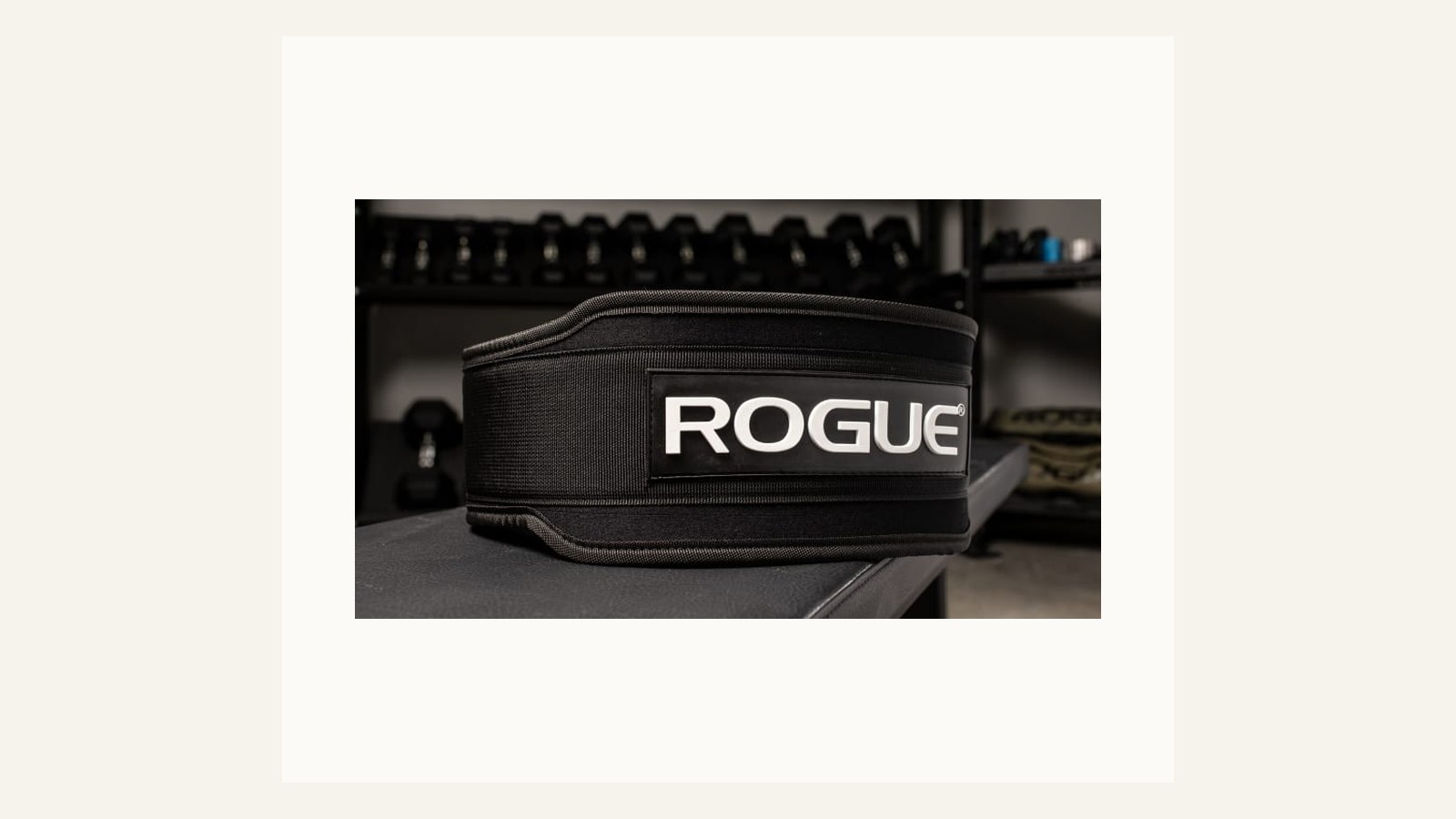
Rogue’s 5" Nylon Weightlifting Belt is the straightforward CrossFit-style option in this guide. The official Rogue page lists a 5" back, 3" support strap, hook-and-loop fastening system, steel tensioning buckle, and sizes XS through 2XL. Rogue describes it as thin, light, durable, and easier to adjust quickly when moving between bodyweight work and heavy lifting.
That makes it a practical pick for mixed sessions where you do not want a heavy leather belt hanging around your ribs. The tradeoff is closure longevity. Rogue’s review summary notes that some customers report Velcro wear over time, so this is better viewed as a flexible WOD belt than a lifetime heavy-pulling belt.
Use it when: your workouts mix cleans, squats, deadlifts, box work, and short transitions.
Skip it when: you mainly train heavy slow singles and want maximum stiffness.
Source: Rogue 5" Nylon Weightlifting Belt
2POOD Straight Belt
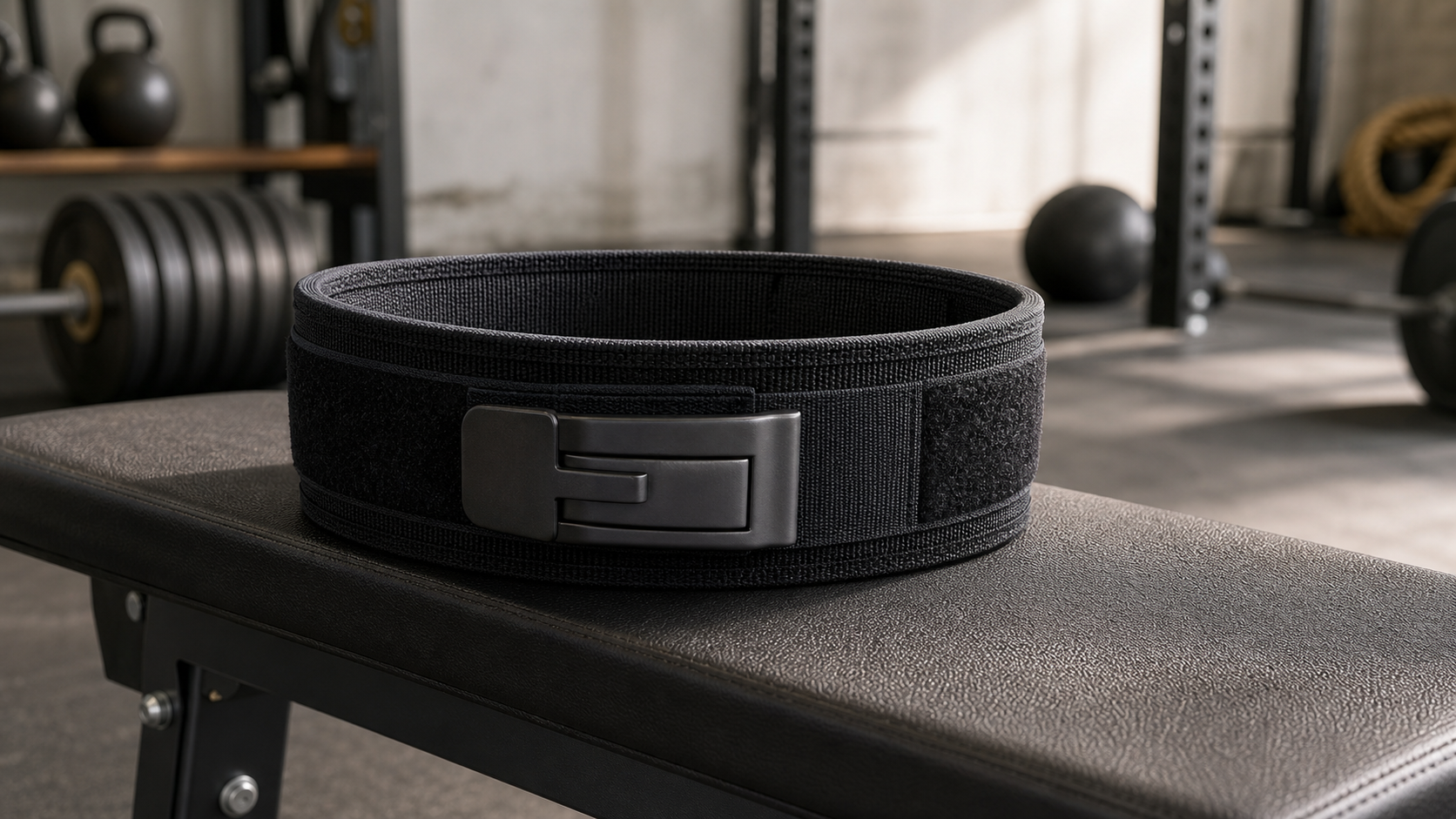
The 2POOD Straight Belt is a natural CrossFit short-list item because its design is built around repeated lifting and quick adjustment. Academy’s product page lists a hook-and-loop closure, WODClamp, 8-ounce product weight, and use across squats, clean and jerks, snatches, and deadlifts. The WODClamp is described as helping extend the lifespan of the hook-and-loop closure.
That combination suits athletes who want a belt for barbell cycling and strength work without going into a rigid lever belt. The key question is whether the straight profile fits your torso. If you have a shorter torso or the belt catches your ribs when you hinge, compare it against a narrower or more contoured nylon belt before committing.
Use it when: you want a quick-adjust belt for CrossFit lifting patterns and repeated WOD use.
Skip it when: you know straight belts ride into your ribs or hips.
Source: 2POOD Straight Belt at Academy
Gymreapers Quick Locking Weightlifting Belt
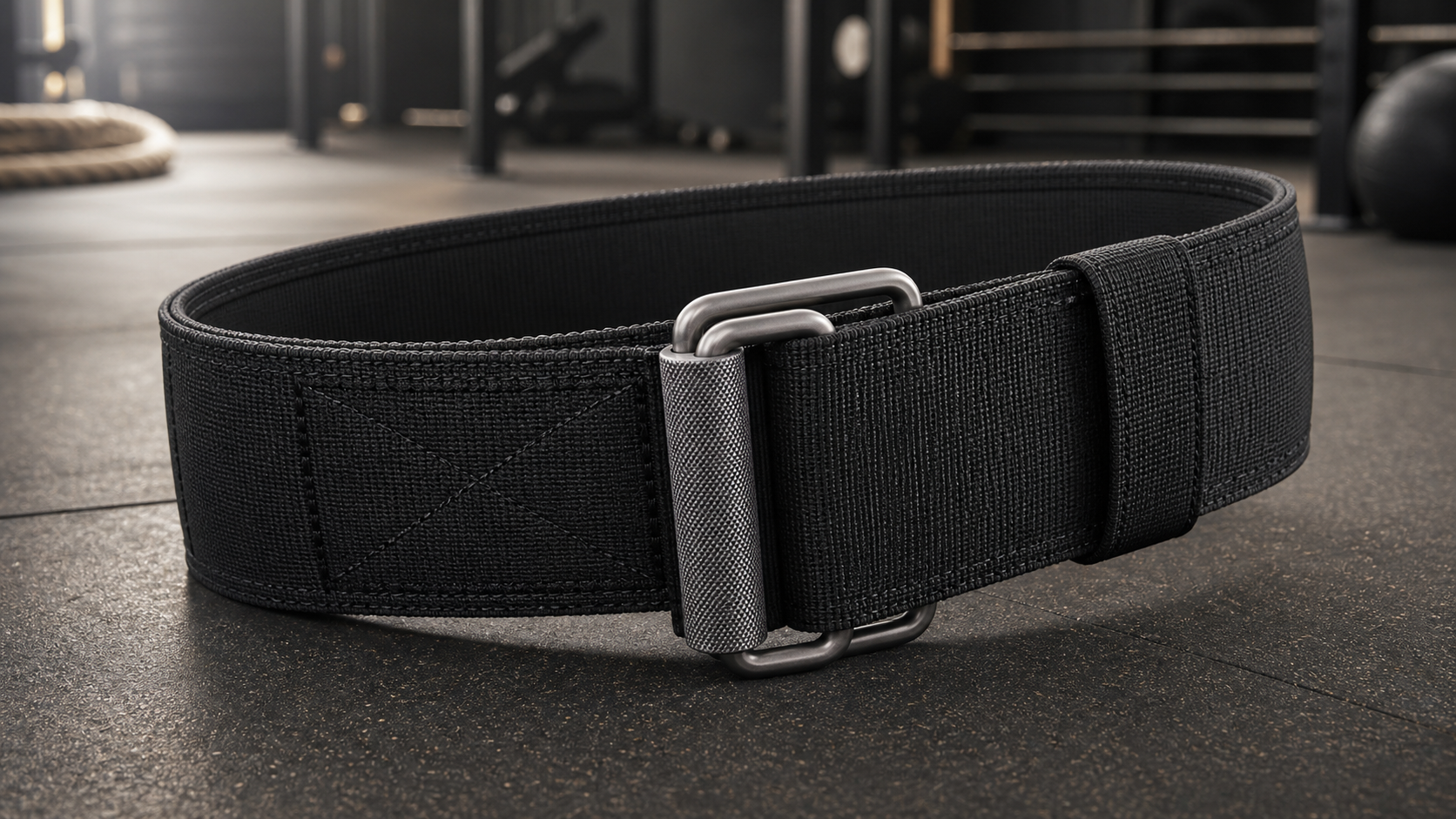
The Gymreapers Quick Locking Weightlifting Belt sits in the same soft-belt family but uses a quick-locking buckle system. Walmart’s product listing describes it as a 4-inch neoprene belt with a metal buckle for bodybuilding, powerlifting, and cross training, with nylon listed in the comparison details.
For CrossFit, the useful part is the faster lock-and-release feel. If you dislike peeling Velcro between rounds or want something that tightens more predictably before a barbell set, a quick-lock style may feel cleaner. It is still not the same as a thick leather lever belt, so do not buy it expecting maximal powerlifting stiffness.
Use it when: you want quick locking and release for mixed training days.
Skip it when: you want a leather belt for very heavy, slow strength work.
Source: Gymreapers Quick Locking Belt at Walmart
Element 26 Self-Locking Weightlifting Belt
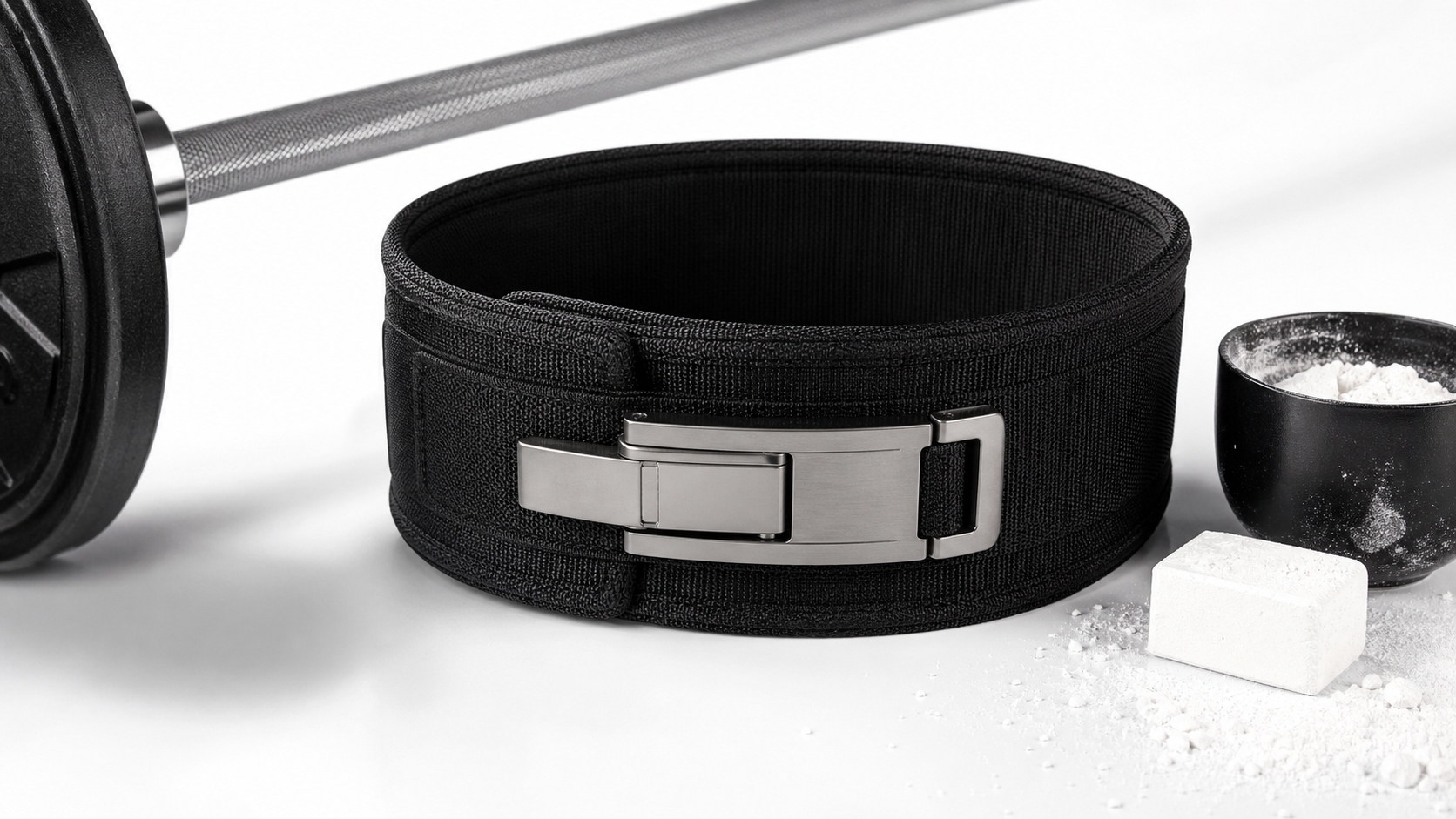
Element 26’s self-locking belt is worth considering if you are learning how a belt should feel. SELF includes it as a beginner-friendly nylon option and notes that a soft belt can be less intimidating while helping people get used to pressure around the middle. SELF also warns that Velcro is generally less secure for very heavy loads than buckle or lever systems, which is a fair boundary for this style.
For CrossFit, that makes Element 26 a reasonable “first belt” direction: light, adjustable, and less punishing than leather. It should not replace trunk training, and it should not be treated as the right choice for every max-effort lift.
Use it when: you want a softer first belt for learning bracing pressure.
Skip it when: your main goal is maximal load support for heavy barbell strength cycles.
Source: SELF weightlifting belt guide
Nylon, Leather, Lever, and Quick-Lock: What Changes in a WOD?
Nylon belts usually win on comfort and transition speed. They are lighter, easier to loosen, and less likely to punish you during burpees or rowing. That is why many CrossFit athletes start there.
Leather belts usually win on rigidity. SELF notes that 10mm leather gives more structure to push against than soft Velcro belts. That can be useful for heavy squats and deadlifts, but it may be too much belt for barbell cycling or high-rep conditioning.
Lever belts are fast once set, but they are not always convenient if your waist measurement changes between training blocks or if you want different tightness for different lifts. Buckle belts feel more traditional but can be slower to adjust. Quick-lock nylon belts split the difference: fast adjustment with more secure tension than a basic wrap, but still softer than thick leather.
Decision Tree: Which Fit Makes Sense?
Choose a soft nylon belt if your training is mostly mixed CrossFit classes. You need a belt that can tighten for cleans and squats, then loosen for running, rowing, or burpees.
Choose a quick-lock nylon belt if you hate slow transitions but still want a firmer closure feel than a simple hook-and-loop belt.
Choose a straight CrossFit belt if your priority is barbell cycling, Olympic-lift accessories, and predictable bracing across repeated sets.
Choose a stiffer leather belt only if your training includes regular heavy squats, deadlifts, and slow strength work where transition speed is not the main issue.
If you are unsure, buy the belt with the easiest return path and the most forgiving adjustment range. A belt that almost fits is not useful.
How This Fits With Your Existing CrossFit Gear
A belt should not be chosen in isolation. Shoes, grips, and ropes all change how a WOD feels.
For barbell-heavy days, your shoe matters first because stance, heel height, and stability affect the lift before the belt does. If you are still sorting that out, read our Nike Metcon 9 vs Reebok Nano X4 vs TYR CXT-2 Trainer comparison.
For double-under days, you may not want a belt on at all unless heavy lifting is also in the workout. See our CrossFit jump ropes for double-unders guide for a lighter skill-day setup.
For gymnastics-heavy sessions, belts often come off before hanging work. If your hands are the limiting factor, our CrossFit grips for pull-ups and toes-to-bar guide is a better starting point than adding more trunk gear.
For the full site context, start from the CrossFit Norwich home page and use belts as one part of a practical training kit, not as the whole answer.
Common Belt Fit Mistakes
The first mistake is wearing the belt too tight. You should be able to breathe into the belt and create pressure, not simply clamp your waist shut.
The second mistake is wearing it for everything. A belt can support heavy lifts, but wearing it through every warm-up, every skill section, and every conditioning piece can teach you to avoid bracing without it.
The third mistake is buying too stiff too soon. If you are still learning how to brace, a softer belt may help you understand the pressure without making every rep feel restricted.
The fourth mistake is ignoring torso length. A belt that works for a tall lifter may dig into a shorter athlete’s ribs or hips. Width is not just a support number; it is a fit number.
FAQ
Do I need a belt for CrossFit?
Not always. If your WOD is mostly gymnastics, running, rowing, or light barbell cycling, a belt may be unnecessary. Consider one when heavy squats, deadlifts, cleans, or overhead work create a real bracing demand.
Should a CrossFit belt be 4 inches or 5 inches?
It depends on your torso and movements. A wider back can feel supportive, but it may interfere with hinge depth or rib position. Shorter athletes often need to pay closer attention to width than taller athletes.
Are nylon belts enough for heavy lifting?
For many functional fitness athletes, yes. Nylon belts are easier to adjust and usually more comfortable. For very heavy slow lifts, a stiffer leather belt may provide more structure, but it can be less WOD-friendly.
Should beginners use a belt?
Beginners should learn bracing first. A soft belt can help some athletes feel trunk pressure, but it should not replace technique work. If form changes dramatically without the belt, address that before chasing heavier loads.
How tight should a CrossFit belt be?
Tight enough that you can brace into it, loose enough that you can breathe. If you cannot take a full breath, or the belt forces your ribs up, it is too tight or the fit is wrong.
Title Candidates
- CrossFit Weightlifting Belt Fit Guide: Choose the Right Support for WODs, Squats, and Pulling Days
- Should You Wear a Belt for CrossFit? A Practical Fit Guide for Mixed Training
- Nylon vs Leather CrossFit Belts: How to Choose Without Overbuilding Your Gear Bag
- The CrossFit Belt Fit Mistake That Makes WODs Feel Worse
- How to Choose a CrossFit Weightlifting Belt for Heavy Lifts and Fast Transitions
Sources
- Rogue 5" Nylon Weightlifting Belt
- 2POOD Straight Belt at Academy
- Gymreapers Quick Locking Weightlifting Belt at Walmart
- SELF: The Best Weightlifting Belts to Wear When Chasing PRs
- Good Housekeeping: 11 Best Weightlifting Belts, According to Athletes and Trainers
Affiliate disclosure: CrossFit Norwich may earn a commission if you click product links and make a purchase. This does not change the price you pay or the editorial criteria used in this guide. Read our editorial policy for more detail.