A CrossFit shoe has to live in an awkward middle ground. It needs to feel planted under a barbell, flexible enough for burpees and lunges, durable enough for rope climbs, and tolerable when the whiteboard adds short runs. Running shoes usually feel too soft for heavy lifts. Flat lifters can feel unforgiving once the workout turns into box jumps and shuttle runs.
The practical question is not which shoe is universally superior. It is which compromise matches your training week. The Nike Metcon 9 vs Reebok Nano X4 vs TYR CXT-2 Trainer comparison comes down to lifting bias, mixed-WOD comfort, fit width, and how much structure you want around the heel.
Scope note: this comparison uses published product specifications, retailer product pages, and independent editorial reviews. We do not claim private lab testing or first-hand ownership. For how we separate commercial links from editorial judgment, read our editorial policy and about page.
Nike Metcon 9 vs Reebok Nano X4 vs TYR CXT-2: Quick Answer
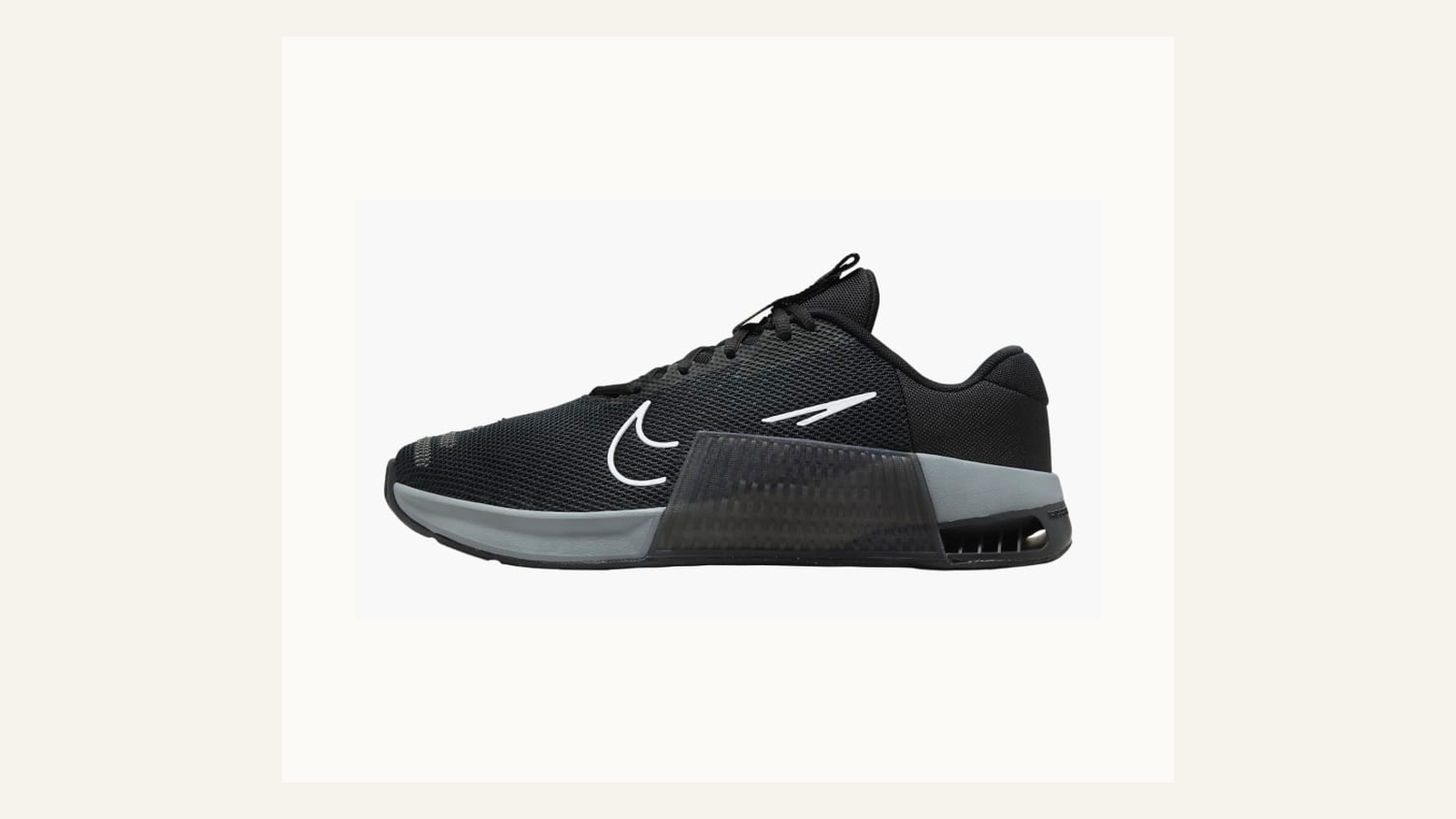
Choose the Nike Metcon 9 if your CrossFit week is strength-heavy and you want a firm heel, rope-climb protection, and a training shoe that does not feel vague under load. Rogue's product page lists a larger Hyperlift plate, extended rubber wrap, dual-density foam midsole, and 4mm effective heel height for the Metcon 9.
Choose the Reebok Nano X4 if you want a more flexible mixed-session shoe for squats, box jumps, burpees, wind sprints, and general gym work. Rogue lists a Flexweave woven upper, midfoot ventilation, Floatride Energy Foam, Lift and Run Chassis, full rubber outsole, and 7mm drop. SELF and EatingWell both describe the Nano X4 as stable enough for lifting while still useful for dynamic work and short runs.
Choose the TYR CXT-2 Trainer if fit and lockdown are the main concerns. Rogue lists the CXT-2 as 4mm wider than the CXT-1, with TPU Stability Wrap, high-density heel foam, TYRTAC outsole, SURGENRG midsole, flexible forefoot, and 7mm heel-to-toe drop.
Comparison Table
| Shoe | Strongest fit | Heel/drop notes | Upper and support | Better for | Watch out for |
|---|---|---|---|---|---|
| Nike Metcon 9 | Lifting-heavy CrossFit sessions | 4mm effective heel height | Larger Hyperlift plate, extended rubber wrap, breathable mesh, haptic print | Squats, deadlifts, cleans, rope climbs, lunges | Firmer ride can feel less forgiving in longer running pieces |
| Reebok Nano X4 | Mixed WODs and general gym classes | 7mm drop | Flexweave upper, TPU heel clip, Lift and Run Chassis, midfoot ventilation | Box jumps, burpees, squats, short sprints, everyday gym work | Some reviewers note a narrower toe-box feel than older Nanos |
| TYR CXT-2 Trainer | Athletes wanting width and heel lockdown | 7mm heel-to-toe drop | TPU Stability Wrap, high-density heel foam, TYRTAC outsole, wider fit | Stable lifting, explosive movements, agility, athletes who disliked narrow trainers | The structured platform may be more shoe than casual gym users need |
Nike Metcon 9: Firm, Stable, and Built Around Lifting Days
Check current Nike Metcon 9 availability at Rogue Fitness.
The Nike Metcon 9 is the most lifting-biased shoe in this comparison. The larger Hyperlift plate is the key signal: it is designed to add heel rigidity when the workout includes squats, deadlifts, split squats, cleans, or lunges. The extended rubber wrap is also important for CrossFit because rope climbs punish the sidewall of a shoe quickly.
That does not make the Metcon 9 a pure lifter. The dual-density midsole is there to keep some responsiveness in repeated cardio movements, and the toe area is designed to allow toe splay under load. But the overall feel still points toward control and platform security rather than softness.
For a Norwich box athlete who trains three to five times a week, this is the shoe to consider when strength pieces and rope climbs are the sessions that usually expose weak footwear. If your current running shoes collapse under cleans or feel unstable during walking lunges, the Metcon 9 solves the right problem.
Skip it if your WODs usually include longer running intervals and you already know you prefer a softer ride. A firmer CrossFit shoe can survive those workouts, but it will not feel like a dedicated running shoe.
Reebok Nano X4: The More Flexible Mixed-WOD Pick
Check current Reebok Nano X4 availability at Rogue Fitness.
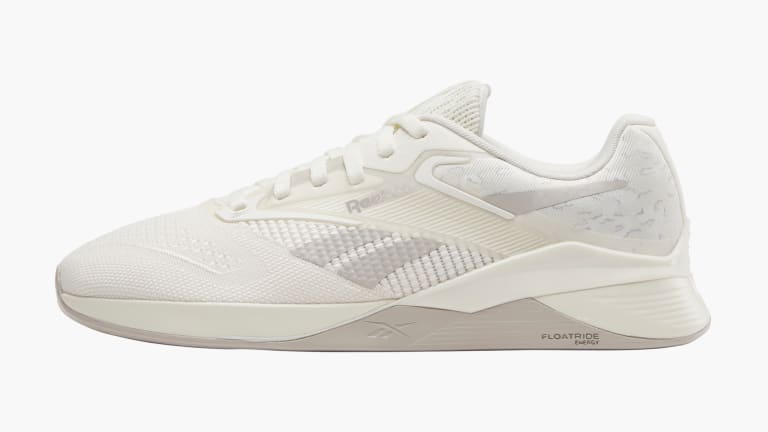
The Reebok Nano line has a long CrossFit history, and the Nano X4 sits in the middle of this comparison: more mixed-session friendly than the Metcon 9, but still more structured than a soft running shoe. Rogue lists Flexweave woven textile, a TPU heel clip, Lift and Run Chassis, Floatride Energy Foam, full rubber outsole, and a 7mm drop.
The independent editorial signal is consistent. SELF's review describes the Nano X4 as supportive and stable during heavy lifts, versatile, and less suited to longer runs. EatingWell's testing notes the Nano X4 as a versatile workout shoe for lifting, box jumps, short sprints, walks, and rowing, while still warning that it is not meant for longer-distance running.
That makes the Nano X4 the easiest recommendation for athletes who want one gym shoe and do not want every session to feel like a heavy lifting day. It should make more sense if your programming often mixes squats, burpees, box jumps, rowing, and short shuttles in the same hour.
The caution is fit. SELF notes the X4 fits closer than older Nano models, and Marie Claire UK notes that the Nano X4 can run a little narrow. If wide-foot comfort is the main reason you are replacing shoes, do not buy only on the Nano name. Check returns and sizing before committing.
TYR CXT-2 Trainer: Wider Fit and More Lockdown
Check current TYR CXT-2 Trainer availability at Rogue Fitness.
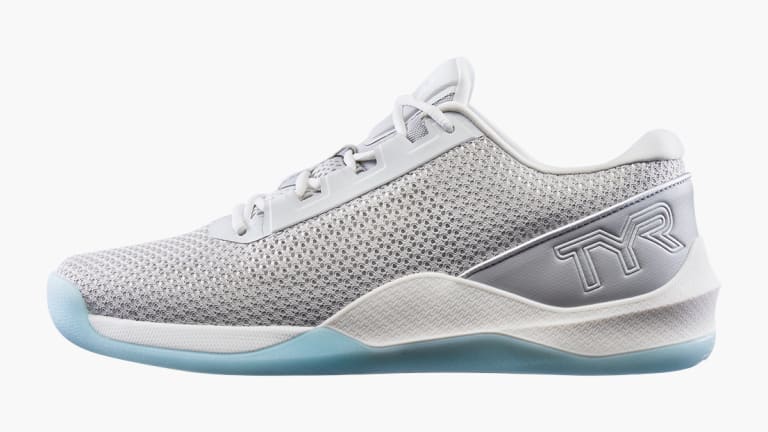
The TYR CXT-2 Trainer is the widest-fit answer in this comparison. Rogue lists it as 4mm wider than the original CXT-1, with a TPU Stability Wrap around the sides and heel, high-density heel foam, TYRTAC outsole, SURGENRG midsole, flexible forefoot, extended toe guard, and 7mm heel-to-toe drop.
That feature mix points to an athlete who wants structure without feeling squeezed. The wider fit is the obvious hook, but the heel lockdown matters just as much. CrossFit shoes get tested laterally: burpees, lateral hops, lunges, shuttle changes, and tired landings all expose sloppy heel hold. The CXT-2 is designed to reduce that movement.
The CXT-2 also makes sense if rope climbs, handstand push-ups, and toe-drag movements appear often. Rogue notes an extended toe guard and a smooth durable heel tab, which are small details but relevant in a box environment.
The tradeoff is that the shoe can feel more purpose-built than casual gym users need. If you only train once a week and rarely lift heavy, the CXT-2 may be overbuilt. If you have tried narrower trainers and felt cramped, it becomes much more interesting.
Which Shoe Fits Your Training Week?
For a lifting-heavy athlete, start with the Nike Metcon 9. It has the clearest strength bias: firm heel support, rope wrap, full rubber outsole, and a lower 4mm heel height. It is the safest choice when your main complaint is instability under load.
For a mixed-WOD athlete, start with the Reebok Nano X4. It is the most balanced option here: stable enough for strength work, flexible enough for common metcon movements, and better suited to all-around gym use than a very firm shoe.
For a wider-foot or lockdown-focused athlete, start with the TYR CXT-2 Trainer. The wider last and heel structure give it a distinct reason to exist in this comparison. It is the one to consider if the Nano X4 feels narrow or the Metcon 9 feels too restrictive.
If you are still deciding how this shoe choice fits into a wider training setup, use the Top Picks hub, Guides hub, and Deals hub for current CrossFit gear buying paths.
Buying Notes Before You Choose
Do not buy a CrossFit shoe only because an athlete you follow wears it. Start with the movements that appear most often in your own programming.
If your sessions include heavy squats, deadlifts, cleans, and rope climbs, prioritise heel stability, outsole grip, and sidewall durability. That points toward the Metcon 9 or CXT-2.
If your sessions are usually mixed circuits with box jumps, burpees, rowing, dumbbell work, and short runs, prioritise flexible support and upper comfort. That points toward the Nano X4.
If heavy lifting days are the reason you are comparing trainers, pair the shoe decision with our CrossFit weightlifting belt fit guide so your footwear and trunk support solve the same training problem.
If your feet regularly feel squeezed, prioritise return policy and fit notes before colourway. A technically strong CrossFit shoe is still a poor buy if you cannot spread your toes and brace against the floor.
FAQ
Is the Nike Metcon 9 better than the Reebok Nano X4 for CrossFit?
It depends on the workout. The Metcon 9 is the stronger choice for lifting-heavy CrossFit days because it has a firmer, more stable platform and rope-climb protection. The Nano X4 is easier to justify for mixed WODs where box jumps, burpees, short sprints, and general gym comfort matter as much as barbell work.
Is the TYR CXT-2 Trainer good for wide feet?
The CXT-2 is the most width-focused option in this comparison. Rogue lists it as 4mm wider than the original CXT-1, which gives it a clearer fit advantage for athletes who found some CrossFit shoes too narrow. You should still check returns, because width and toe-box shape are not the same thing.
Can I run in Nike Metcon 9, Reebok Nano X4, or TYR CXT-2?
All three can handle short running pieces inside a CrossFit session, but none should replace a dedicated running shoe for longer runs. SELF's Nano X4 review specifically treats longer runs as a weak spot. If your programming includes regular 5K efforts, keep a separate running shoe.
Which shoe is best for rope climbs?
The Metcon 9 and TYR CXT-2 both have clear durability signals for rope-contact areas. Rogue lists an extended rubber wrap on the Metcon 9 and an extended toe guard on the CXT-2. The Nano X4 has a full rubber outsole and stable chassis, but its main angle is mixed-session versatility.
Should beginners buy a premium CrossFit shoe immediately?
Not always. Beginners should first buy stable shoes that solve obvious movement problems. If your current shoes collapse under barbell work or slide during lunges, upgrading makes sense. If you are still learning movement patterns, read the starter kit guide first and avoid buying every specialty item at once.
Reference Sources
- Rogue Fitness: Nike Metcon 9 product specifications
- Rogue Fitness: Reebok Nano X4 product specifications
- Rogue Fitness: TYR CXT-2 Trainer product specifications
- SELF: Reebok Nano X4 review
- EatingWell: workout shoe testing notes
- Marie Claire UK: gym trainer comparison notes
Title Candidates
- Nike Metcon 9 vs Reebok Nano X4 vs TYR CXT-2 Trainer
- 3 CrossFit Shoes Compared for Lifting, Metcons, and Fit
- Metcon 9, Nano X4, or CXT-2: Which CrossFit Shoe Fits Your WOD?
- The CrossFit Shoe Tradeoff: Stability, Flexibility, or Wider Fit
- Before Your Next WOD: Compare Metcon 9, Nano X4, and CXT-2