CrossFit Jump Ropes for Double-Unders: 5 Skill-Level Picks
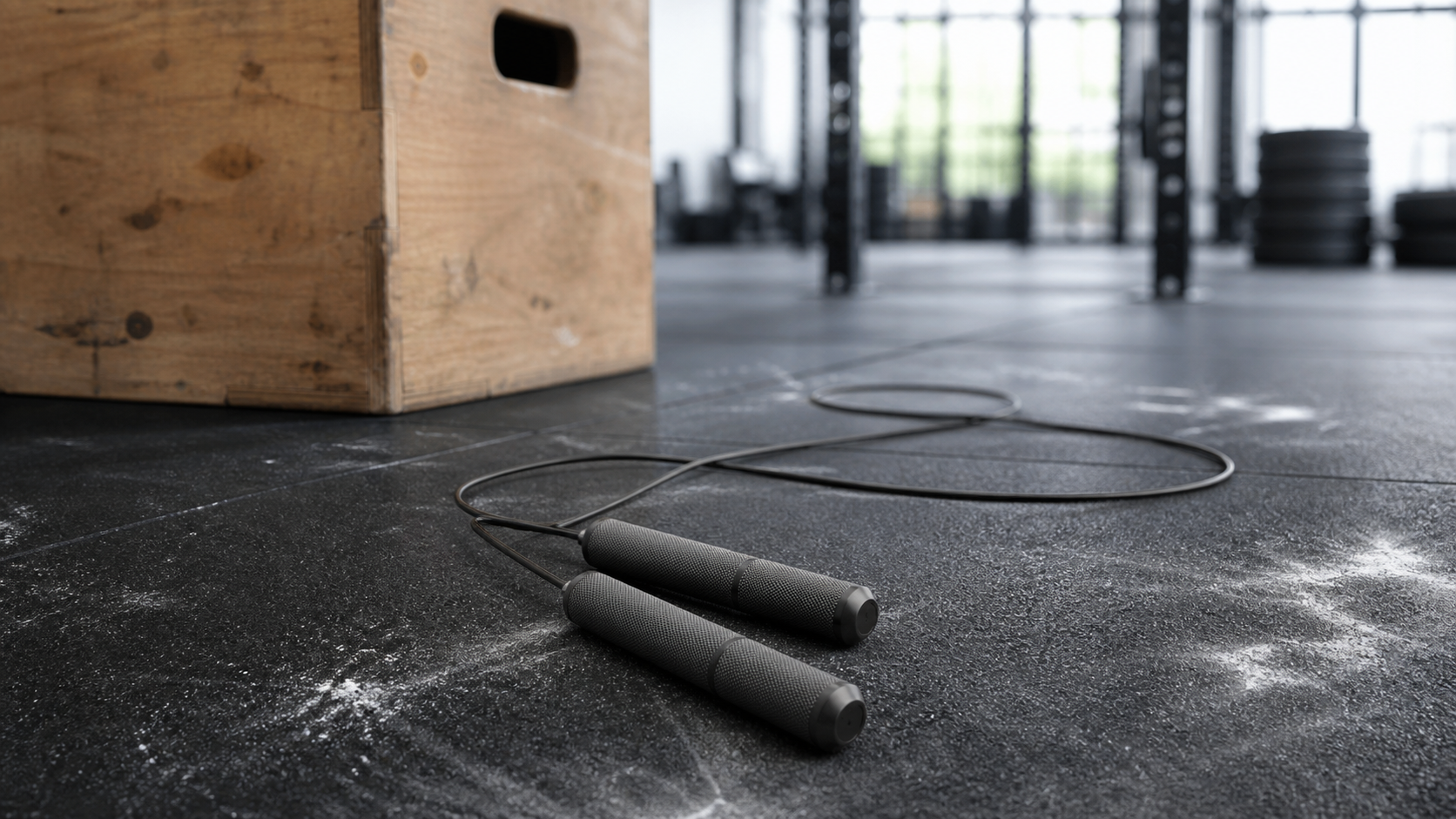
A double-under session can expose a rope problem fast. A cable that is too slow forces you to over-jump. A cable that is too light gives almost no feedback. A handle that spins well in a dry warm-up can feel different once your grip is sweaty and the workout asks for 75 reps under fatigue.
The practical answer is not one universal rope. The right CrossFit jump rope for double-unders depends on where you are in the skill curve: learning rhythm, building repeatable sets, chasing high-volume WODs, or using rope work as conditioning rather than a pure speed skill.
This guide does not claim hands-on lab testing. It is an editorial shortlist built from manufacturer information, current product positioning, and outside editorial coverage from sources such as The Strategist, Tom's Guide, and Wired. For how we handle affiliate recommendations, see our editorial policy and about page.
CrossFit Jump Ropes for Double-Unders: What Actually Matters
For double-unders, the rope has to rotate fast enough to clear twice before you land, but speed alone is not the whole decision. Newer athletes often need cable feedback so they can feel timing mistakes. More experienced athletes usually want lower friction, lighter handles, and a cable that does not fight wrist speed.
The main tradeoff is control versus speed. A very light cable can be efficient for advanced sets, but it can also make beginners lose the rope in space. A heavier rope gives clearer feedback, but it can tax shoulders and slow high-rep sets. Adjustable length also matters because a cable that is too long creates big, slow loops, while one that is too short punishes small timing errors.
If your double-unders break down because your feet, calves, or landing position feel unstable, pair rope selection with shoe choice. Our existing guide to Nike Metcon 9 vs Reebok Nano X4 vs TYR CXT-2 Trainer covers CrossFit shoe tradeoffs for lifting, WODs, and mixed movement sessions.
Quick Comparison Table
| Rope | Better fit | Main strength | Watch-out |
|---|---|---|---|
| Rogue SR-2 Speed Rope 2.0 | Athletes who want a fast adjustable rope for WODs | Lightweight speed-rope feel with performance positioning | May feel too quick if you still need heavy cable feedback |
| JumpNRope R1 Speed Rope | Learners moving from singles to repeatable double-unders | Simple speed-rope format and sizing practicality | Less premium than high-end competition ropes |
| Rx Smart Gear EVO G2 Speed Rope | Advanced jumpers chasing very fast sets | High-speed, performance-focused setup | Fixed sizing choices require more careful fit selection |
| WOD Nation Speed Jump Rope | Budget-conscious athletes or backup-rope buyers | Adjustable speed-rope value | Hardware adjustment and cable trimming may take patience |
| Crossrope Get Lean Jump Rope Set | Conditioning and mixed workouts | Interchangeable weighted ropes and app-led workouts | Not the cleanest choice for max-speed double-under practice |
Rogue SR-2 Speed Rope 2.0: Fast WOD Rope for Athletes Who Already Have Rhythm
The Rogue SR-2 Speed Rope 2.0 is the pick for athletes who already understand double-under timing and want a rope that feels quick in WOD conditions. The Strategist's jump-rope roundup highlights the Rogue SR-2 as a serious speed-rope option for double-unders, with lightweight construction and a smooth bearing-style rotation described by its cited fitness professionals.
That makes it a good fit if your main problem is not learning what a double-under feels like, but keeping large sets efficient. A fast rope can reduce shoulder fatigue because you do not need to muscle the cable around with large arm circles. The tradeoff is that a quick, light rope gives less forgiveness. If your timing is inconsistent, the SR-2 style of rope may reveal the problem rather than solve it.
Use this lane if you can already string together sets and want a rope that supports higher-rep workouts. If you are still learning rhythm, start with a rope that gives more feedback before moving to a faster cable. Footwear also matters during high-volume rope work, so revisit the Nike Metcon 9 vs Reebok Nano X4 vs TYR CXT-2 Trainer comparison if your landings feel heavy or unstable.
JumpNRope R1 Speed Rope: Practical Choice for Learning Repeatable Sets
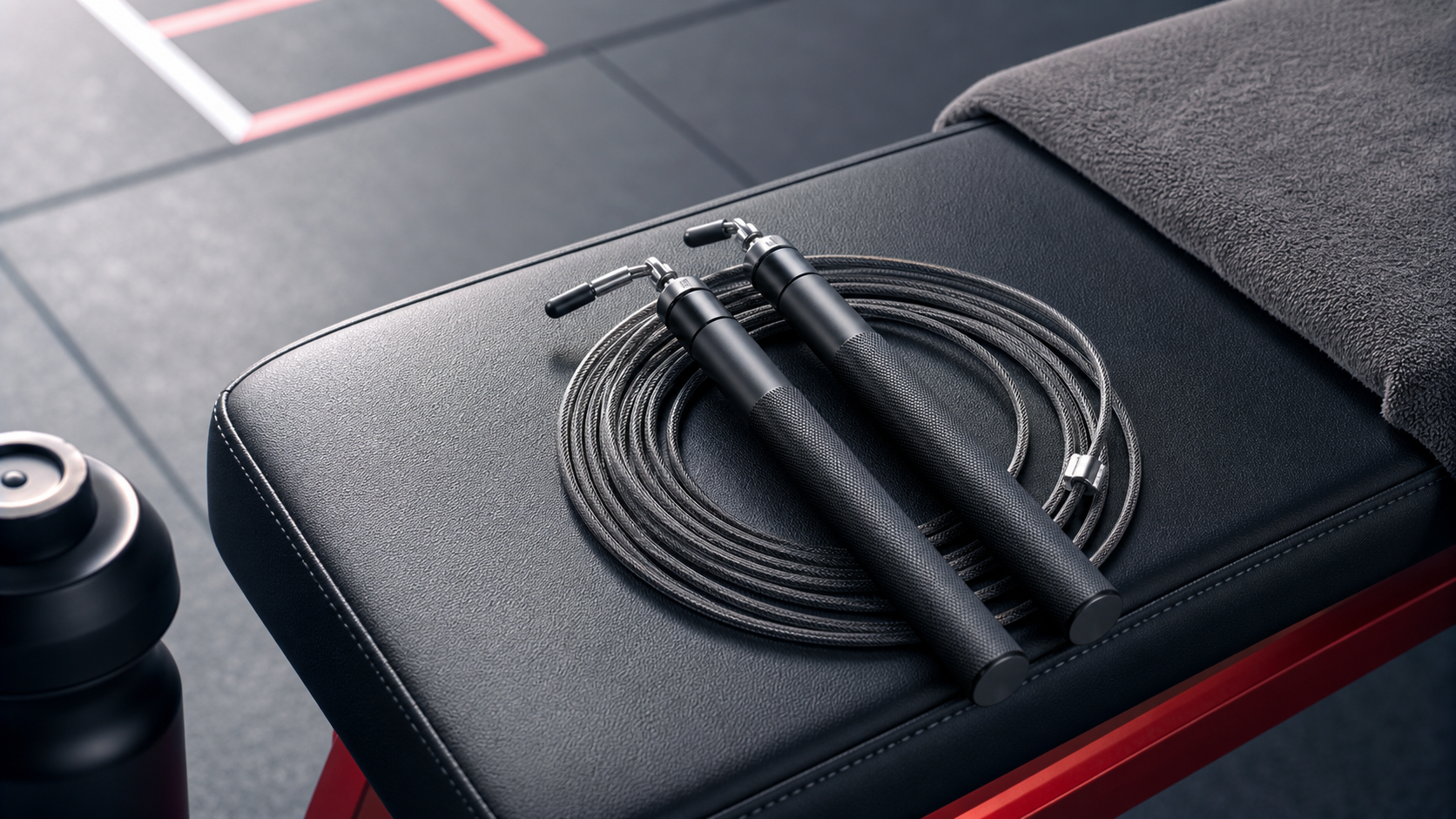
The JumpNRope R1 Speed Rope is the most straightforward pick in this shortlist for athletes who want a speed rope without turning the purchase into a technical project. The Strategist includes the R1 among speed-rope options for athletes becoming more advanced, noting that its cited coach liked the rope for affordability, smooth turning, and easier sizing.
That combination is useful in the messy middle stage of double-unders. You may not need the lightest possible cable yet. You need a rope you can size correctly, bring to class, and practice with often enough that timing becomes less random. The R1 fits the athlete who is moving from occasional double-unders into controlled sets of 10, 20, or 30.
The main limitation is ceiling. If your goal is high-level competition speed or triple-under attempts, a more premium rope may give a cleaner feel. But for many CrossFit athletes, consistency matters more than chasing the fastest possible spin on day one.
Rx Smart Gear EVO G2 Speed Rope: Premium Option for Advanced Speed Work
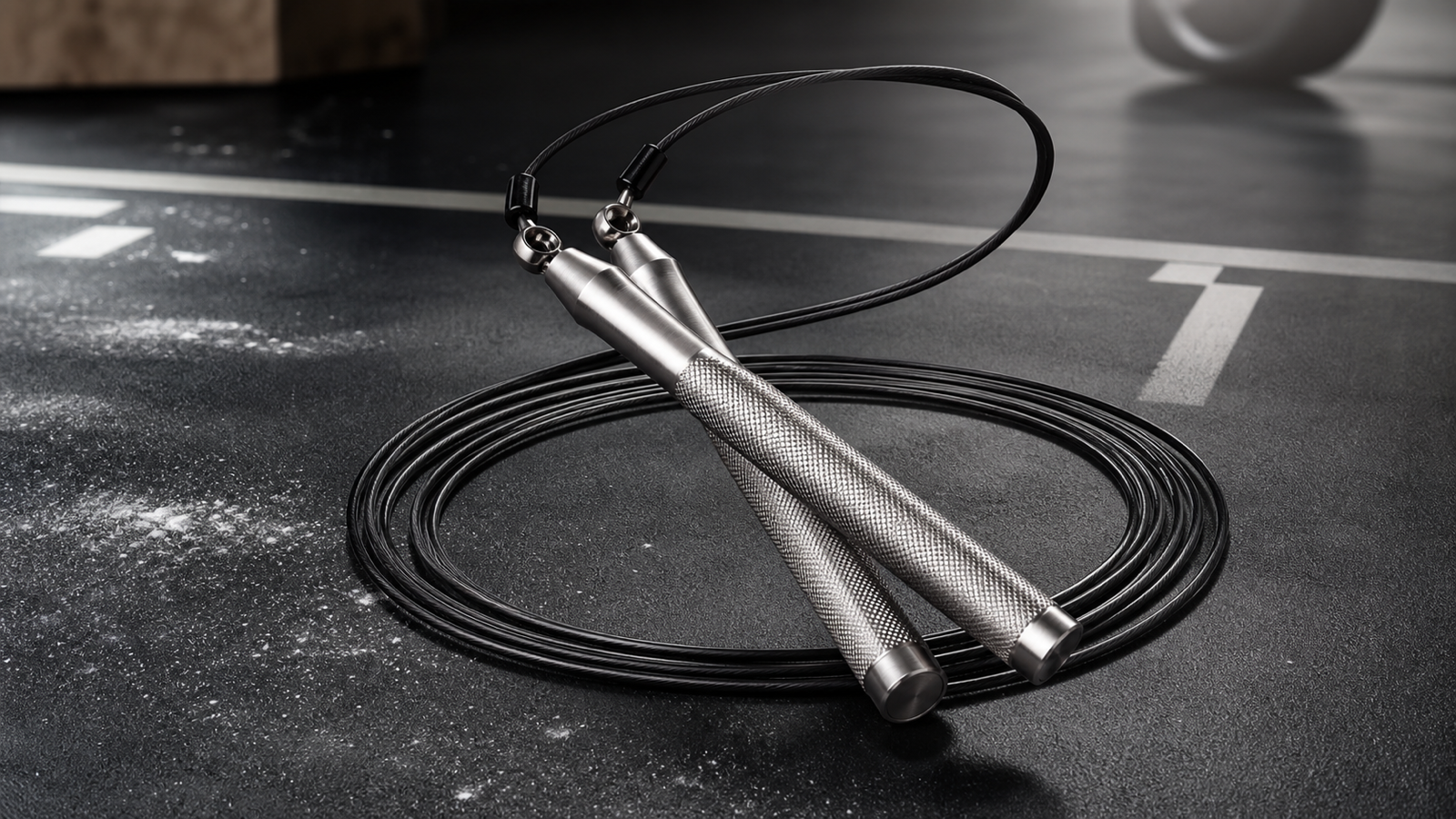
The Rx Smart Gear EVO G2 Speed Rope belongs in the advanced lane. The Strategist's coverage positions it as a premium speed-rope option for high-level rope work, including fast jumping and more technical attempts. That does not make it the right first rope for everyone. It makes it a focused tool for athletes who already know what cable weight, handle feel, and sizing they prefer.
The key reason to consider an EVO G2 style rope is efficiency. When you are doing large double-under sets, small friction and handle-control differences become more noticeable. Advanced athletes often want less drag, a cleaner turn, and a setup that rewards compact wrist movement.
The risk is buying too much rope too early. If your current failure point is timing, posture, or panic jumping, a premium rope will not fix those mechanics by itself. It can make good mechanics faster, but it will also punish sloppy mechanics. Choose this only if you are ready to be precise about sizing and technique.
WOD Nation Speed Jump Rope: Budget-Friendly Backup or First Speed Rope
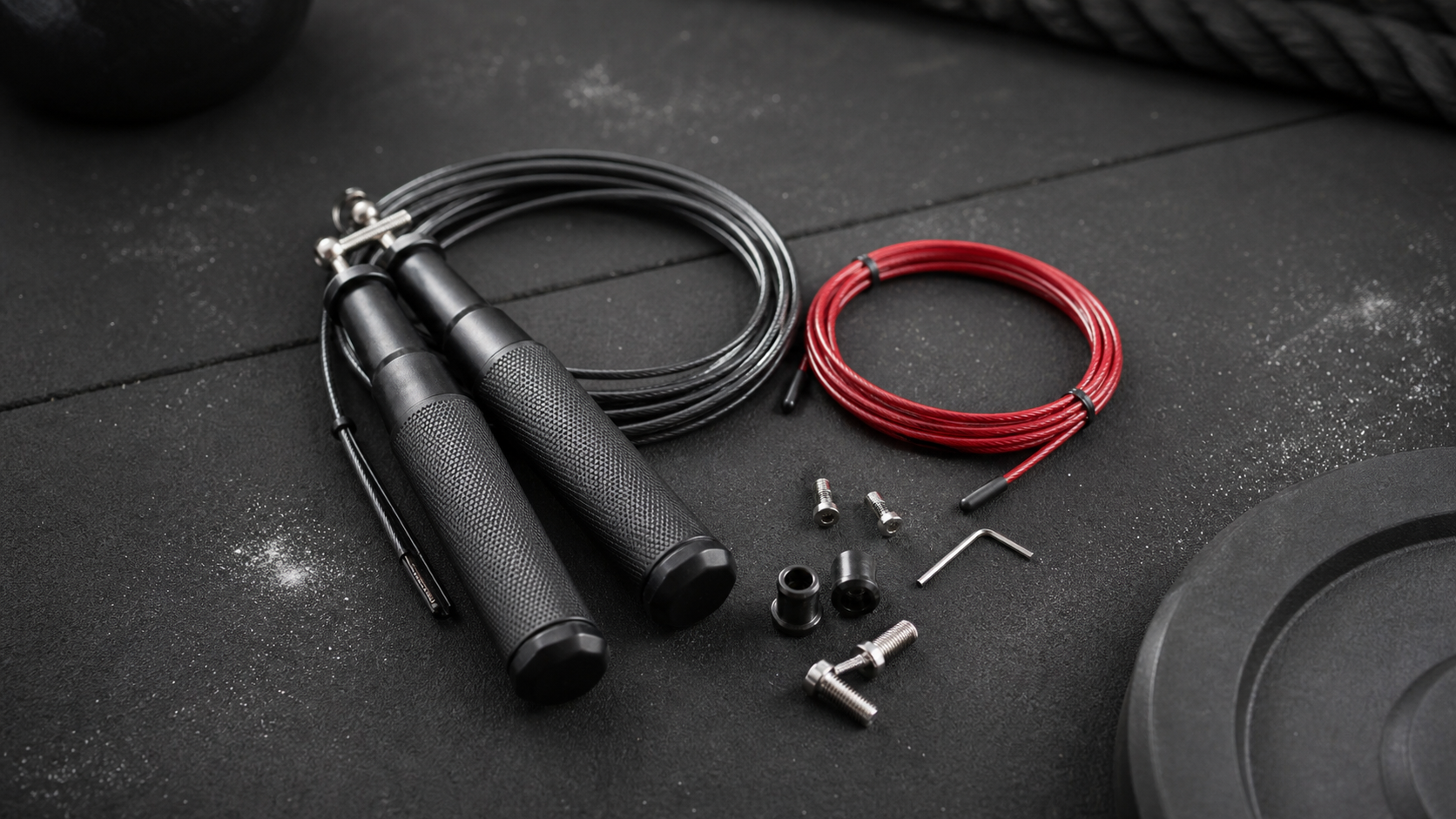
The WOD Nation Speed Jump Rope makes sense if you want a lower-cost way into speed-rope practice or you need a backup rope in your gym bag. The Strategist cites it as a lightweight speed rope with quick spin and adjustable length. Tom's Guide also discusses WOD Nation in the context of speed and weighted rope training, with attention to adjustability and double-under use cases.
This is the rope lane for practical buyers. You may be learning, traveling, or tired of borrowing gym ropes that never match your size. An adjustable rope lets you experiment with length and learn how small sizing changes affect timing. That is valuable because rope length is one of the most common reasons double-unders feel harder than they should.
The tradeoff is setup. Budget ropes often require more patience around cable trimming, hardware tightening, or spare parts. If you hate tinkering, a rope with cleaner sizing support may be less frustrating. But if you want a first personal rope for skill practice, this category is worth considering.
Crossrope Get Lean Jump Rope Set: Better for Conditioning Than Pure Speed
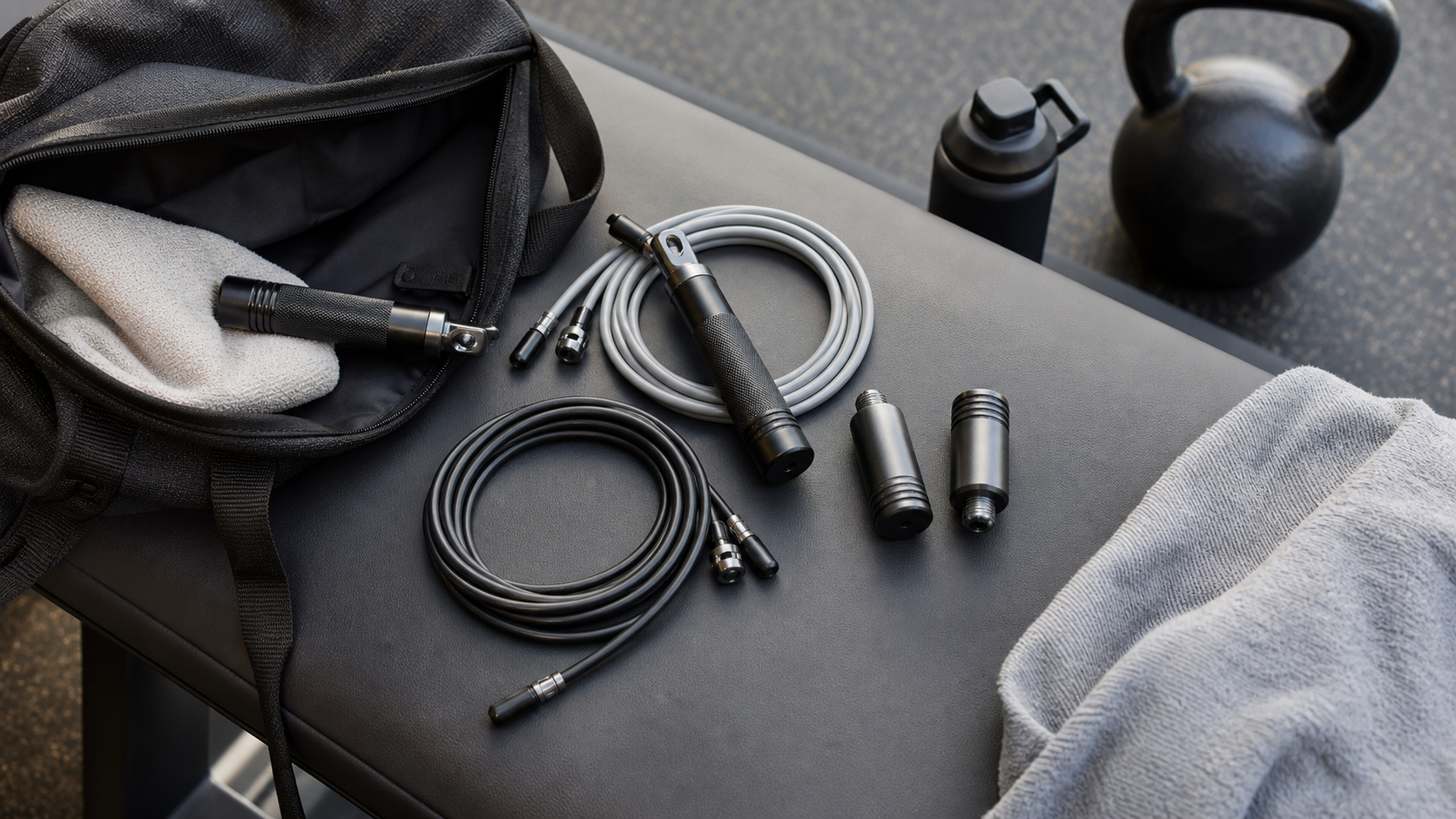
The Crossrope Get Lean Jump Rope Set is different from the speed-rope options above. It is more of a conditioning system than a pure double-under weapon. Tom's Guide highlights the Get Lean set for interchangeable ropes and workout variety, while Wired describes Crossrope as a weighted rope system paired with app-led workouts.
That makes Crossrope useful if your goal is building conditioning, shoulder endurance, and variety in a home-gym setting. The weighted ropes can make simple jump intervals feel more demanding, and the app format may help athletes who train outside a class environment.
For double-unders, the important caveat is weight. A weighted rope can teach rhythm and build capacity, but it is not the same as a light speed rope designed for high-rep double-unders. If you mainly want to improve Open-style double-under workouts, buy a speed rope first. If you want jump-rope conditioning as part of a broader home setup, Crossrope is a more relevant fit.
How to Choose the Right Rope for Your Stage
If you are learning double-unders, choose feedback before speed. A rope that lets you feel the cable path will usually teach rhythm better than an ultra-light cable. Start with sizing, posture, and small wrist circles before chasing a faster spin.
If you can already complete consistent sets, move toward a faster rope. At that stage, you are trying to reduce wasted movement. A smooth spin, stable handles, and a cable length you trust can make high-volume WODs less chaotic.
If you train mostly at home, decide whether you want skill practice or conditioning. Skill practice points toward a speed rope. Conditioning points toward a weighted system. The two can overlap, but they are not identical.
If you are buying for a CrossFit class bag, consider durability and replaceability. Cables get stepped on, dragged over rough surfaces, and thrown into bags with shoes, grips, tape, and bottles. A good rope is the one you can keep set up and ready rather than constantly re-adjusting before class.
Common Mistakes When Buying a CrossFit Jump Rope
The first mistake is copying the fastest athlete in the gym. Their rope may suit their timing, height, and training volume, not yours. A beginner using an advanced ultra-light cable can end up practicing panic jumps instead of learning rhythm.
The second mistake is ignoring cable length. A rope that is too long encourages wide arm positions and slow loops. A rope that is too short forces rushed jumps and frequent misses. Most athletes need a short sizing session before deciding whether a rope actually feels wrong.
The third mistake is using the same rope for every goal. A weighted rope can be useful for conditioning, but it is not automatically better for double-unders. A speed rope is efficient for WODs, but it may not give enough feedback for a new jumper.
The fourth mistake is forgetting the floor. Bare steel or thin cables can wear quickly on abrasive surfaces. If you train outdoors or in a garage, check whether the rope needs a mat or replaceable cable.
Related Reading
Rope work sits inside a larger CrossFit gear setup. If your double-unders feel inconsistent because your landing, stance, or transitions are unstable, read our Nike Metcon 9 vs Reebok Nano X4 vs TYR CXT-2 Trainer comparison. The same article is also useful if you want to match a jump-rope-focused WOD shoe with lifting stability: compare the Metcon, Nano, and CXT-2. For mixed sessions that combine double-unders, burpees, and barbell cycling, the shoe comparison explains tradeoffs that affect footwork. Before buying a rope and new trainers together, check the CrossFit shoe guide so you are not solving a landing problem with the wrong piece of gear.
FAQ
What is the right jump rope for CrossFit double-unders?
For most athletes, the right rope is a speed rope that is properly sized and gives enough feedback for your current skill level. Beginners often benefit from a slightly more noticeable cable. Advanced athletes usually prefer faster, lighter ropes with smooth handle rotation.
Are weighted jump ropes good for double-unders?
Weighted ropes can help conditioning and rhythm, but they are not usually the cleanest option for high-rep double-under workouts. Use a weighted rope when the goal is shoulder endurance or conditioning. Use a speed rope when the goal is efficient double-unders in a WOD.
Should beginners buy an expensive speed rope?
Not always. A premium rope can feel excellent, but it will not fix timing by itself. Beginners should first prioritize correct length, consistent practice, and enough cable feedback. Upgrade when you know what handle feel and cable weight you prefer.
How long should a CrossFit jump rope be?
The right length depends on height, arm position, and skill. A common starting point is to stand on the cable and check that the handles reach around the lower chest or armpit area, then adjust based on misses. Shorter ropes are faster but less forgiving.
Can I use the gym's shared rope?
You can, but shared ropes are rarely sized for you. If double-unders are a real training goal, a personal rope is usually worth it because the length, cable feel, and handle position stay consistent from session to session.
Final Take
Buy the rope for the problem you are actually solving. If you are learning, pick feedback and adjustability. If you are already stringing reps together, pick speed and smooth rotation. If you want conditioning, consider a weighted system. The wrong rope will not ruin your double-unders, but the right one removes one more excuse from the practice session.
Sources
- The Strategist: The Best Jump Ropes, According to Fitness Pros
- Tom's Guide: Best weighted jump ropes
- Wired: Crossrope Fitness System review
- Rogue Fitness search for SR-2 Speed Rope
- Rx Smart Gear search for EVO G2
- Crossrope search for Get Lean
Title Candidates
- CrossFit Jump Ropes for Double-Unders: 5 Skill-Level Picks
- 5 CrossFit Jump Ropes to Consider Before Your Next Double-Under WOD
- Fast Rope or Weighted Rope? A CrossFit Double-Under Buying Guide
- CrossFit Jump Rope Mistakes That Make Double-Unders Harder
- Which CrossFit Jump Rope Fits Your Double-Under Stage?