CrossFit Weightlifting Belts for WODs: 5 Practical Picks
A belt that feels great for a one-rep deadlift can feel awful when the workout asks for cleans, box jumps, toes-to-bar, and a fast barbell reset. That is the main problem with CrossFit weightlifting belts: the belt has to support bracing under load, but it also has to get out of the way when the workout stops being a pure strength piece.
Our view is simple: do not buy the stiffest belt you can afford unless your training is mostly heavy, slow lifting. For most CrossFit athletes, the better question is whether the belt can be tightened for squats and pulls, loosened between movements, and worn without digging into the ribs or hips. This guide is based on official product details, editorial sources, and practical fit logic, not first-hand lab testing. Read our editorial policy for how we handle source-backed gear recommendations.
Affiliate disclosure: CrossFit Norwich may earn a commission if you click a merchant link and buy. That does not change the products included or the cautions listed here.
Quick Comparison: Which CrossFit Weightlifting Belt Fits Your Week?
| Belt | Better fit for | Closure | Support feel | Watch out for |
|---|---|---|---|---|
| 2POOD The Ranch 4-inch Belt | Mixed CrossFit lifting and WOD transitions | Velcro with WODClamp-style fastener | Hybrid support with more movement tolerance than stiff leather | More expensive than basic nylon |
| Rogue 5-inch Nylon Belt | Budget WOD belt and fast adjustments | Hook-and-loop with steel tensioning buckle | Light, flexible, broad back coverage | 5-inch back may feel bulky on short torsos |
| Element 26 Self Locking Belt | Beginners and athletes learning belt pressure | Self-locking buckle with Velcro | Softer nylon feel | Less supportive than leather for very heavy lifting |
| Gymreapers 13mm Lever Belt | Strength-biased squat and deadlift days | Lever | Very rigid, powerlifting-style support | Too stiff for many mixed WODs |
| 2POOD Straight Belt family | Athletes who want CrossFit-specific sizing and designs | Velcro + clamp system depending on model | WOD-friendly support | Choose size carefully around the belly button |
1. 2POOD The Ranch 4-inch Weightlifting Belt: For Mixed WODs With Real Barbell Work
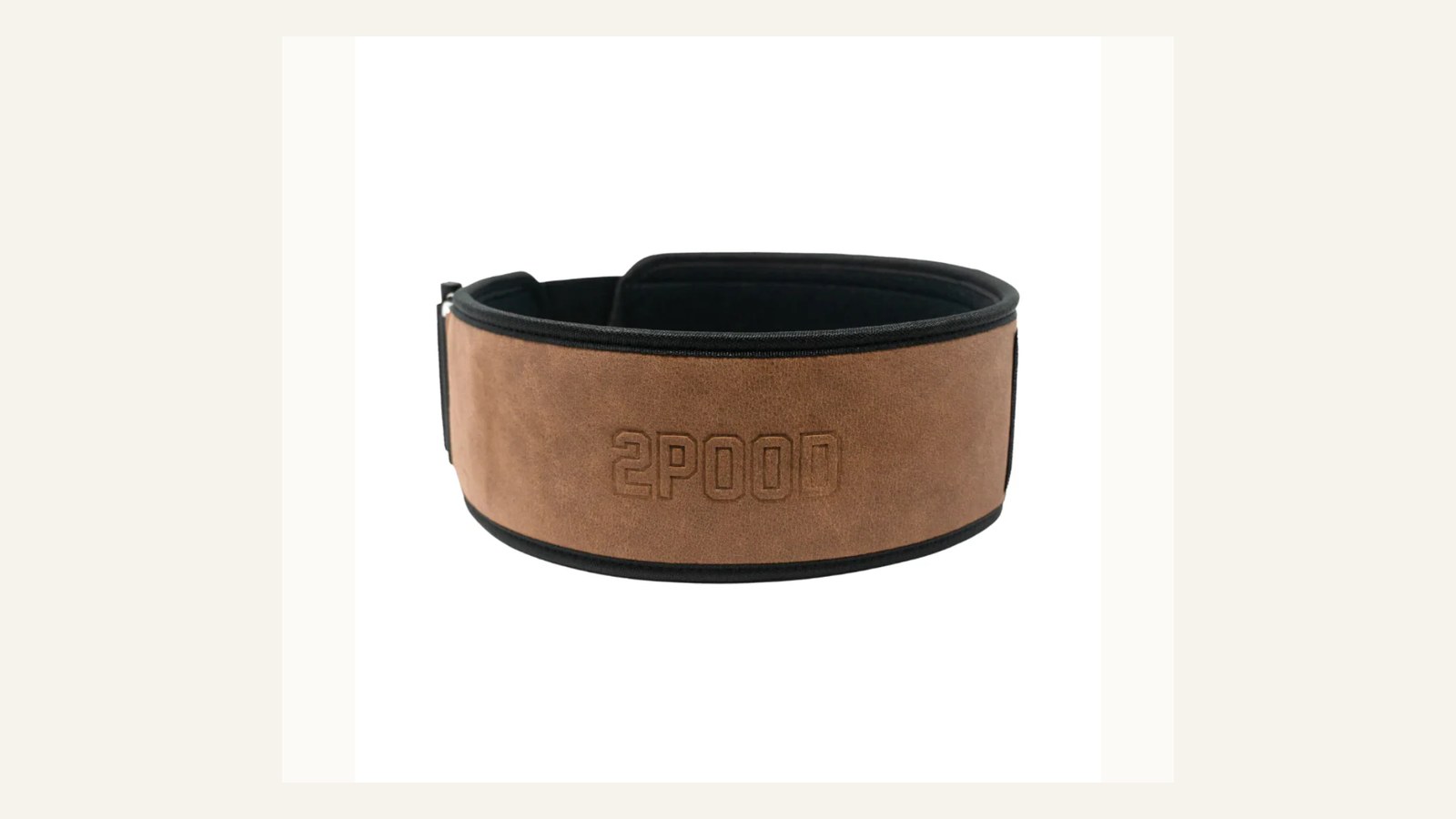
The 2POOD The Ranch 4-inch belt is the cleanest fit for the athlete who wants one belt to cover squats, pulling days, and a workout that still has transitions. The official 2POOD product page describes the belt as a straight belt with a stiffer distressed-leather covering over a durable flexible belt, and it lists sizes from XXXS through XXL. The same page tells shoppers to measure around the belly button rather than the pant waist, which matters because CrossFit belts sit where you brace, not where jeans sit.
The reason this belt leads the shortlist is not that it is magically stronger than every other option. It is that the design sits closer to the CrossFit use case: enough structure for loaded movements, but not the same all-in stiffness as a 13mm lever belt. 2POOD also says the belt is intended for core-engaging lifts such as squats, deadlifts, clean and jerks, and snatches, and it gives an “80% of max” heavy-lifting reference point. That fits the way many athletes actually use belts: not for warm-up sets, but for the heavier section of the day or the later rounds when bracing starts to degrade.
Choose this if you want one belt for strength days and mixed barbell conditioning. Skip it if you only need a low-cost belt for occasional use or if you already know you prefer a rigid lever belt for slow powerlifting work.
Source: 2POOD The Ranch 4-inch Weightlifting Belt
2. Rogue 5-inch Nylon Weightlifting Belt: For Budget Support and Fast Loosening
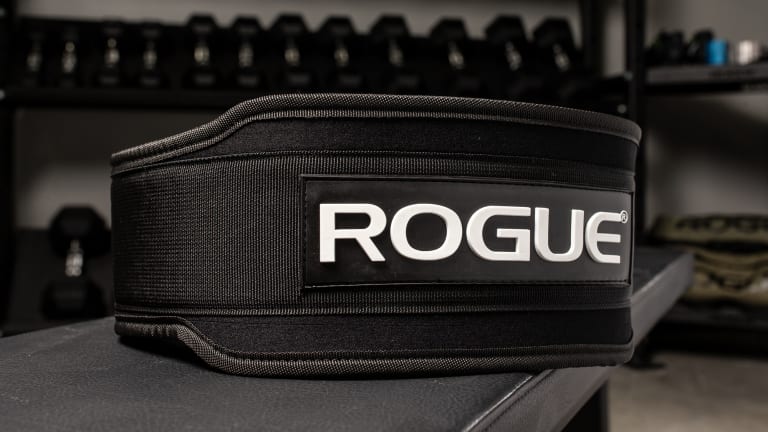
The Rogue 5-inch Nylon Weightlifting Belt is the practical budget pick. Rogue’s product page lists a 5-inch back, 3-inch front support strap, hook-and-loop fastening system, and steel tensioning buckle. The page also says the belt is designed to adjust quickly when moving from light or bodyweight exercises to heavier lifting exercises.
That fast-adjustment detail is important. In a mixed workout, you may want the belt tight for heavy deadlifts but loose before burpees, rowing, running, or toes-to-bar. A hook-and-loop nylon belt is usually easier to manage mid-workout than a thick leather buckle or lever belt.
The tradeoff is support. Nylon can feel more forgiving and easier to pack, but it usually gives you less rigid feedback than thick leather. SELF’s 2025 belt guide makes the same general distinction: soft nylon can be more comfortable for newer belt users, while thicker leather gives more rigidity to brace against. That does not make nylon worse. It means the Rogue belt is better for WOD convenience than for maximal support.
Choose this if your priority is affordable, easy-to-adjust support for class workouts. Skip it if you want the firmest possible brace for heavy singles or if a 5-inch back tends to hit your ribs.
Source: Rogue 5-inch Nylon Weightlifting Belt
3. Element 26 Self Locking Weightlifting Belt: For Beginners Learning Belt Pressure
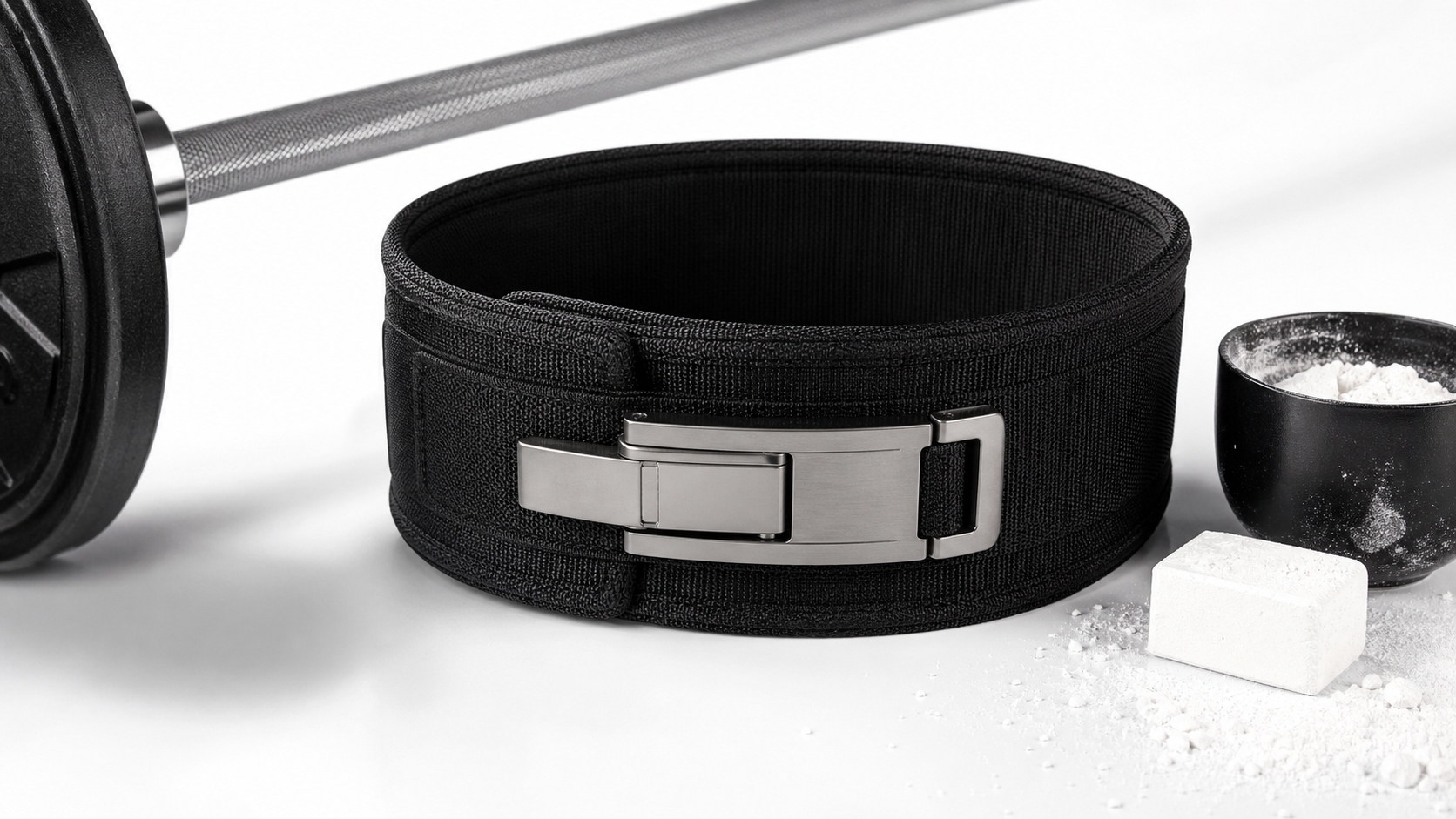
The Element 26 Self Locking Weightlifting Belt is the beginner-friendly option in this shortlist. SELF’s 2025 guide cites strength and powerlifting coach Laura Su, CSCS, describing it as a softer belt that can be less intimidating for people getting used to pressure around the midsection. SELF also lists the product specs as nylon, with sizes from XS to 2XL.
That matters because many new CrossFit athletes over-tighten a belt, then blame the belt when they cannot breathe or hinge properly. A softer self-locking belt gives a more forgiving entry point. You can learn how a belt should feel during squats, deadlifts, and cleans without committing to a stiff leather model.
The limitation is also clear. SELF notes that Velcro is not the most secure option for very heavy loads, and the Element 26 section specifically frames it as better for beginners lifting lighter. If your heavy day already involves serious squats or pulls, this may become a stepping-stone belt rather than a long-term belt.
Choose this if you are new to belts and want adjustable pressure without a harsh leather feel. Skip it if your main goal is maximal support for heavy low-rep lifting.
Source: SELF weightlifting belt guide
4. Gymreapers 13mm Lever Belt: For Strength-Biased Days, Not Fast WODs
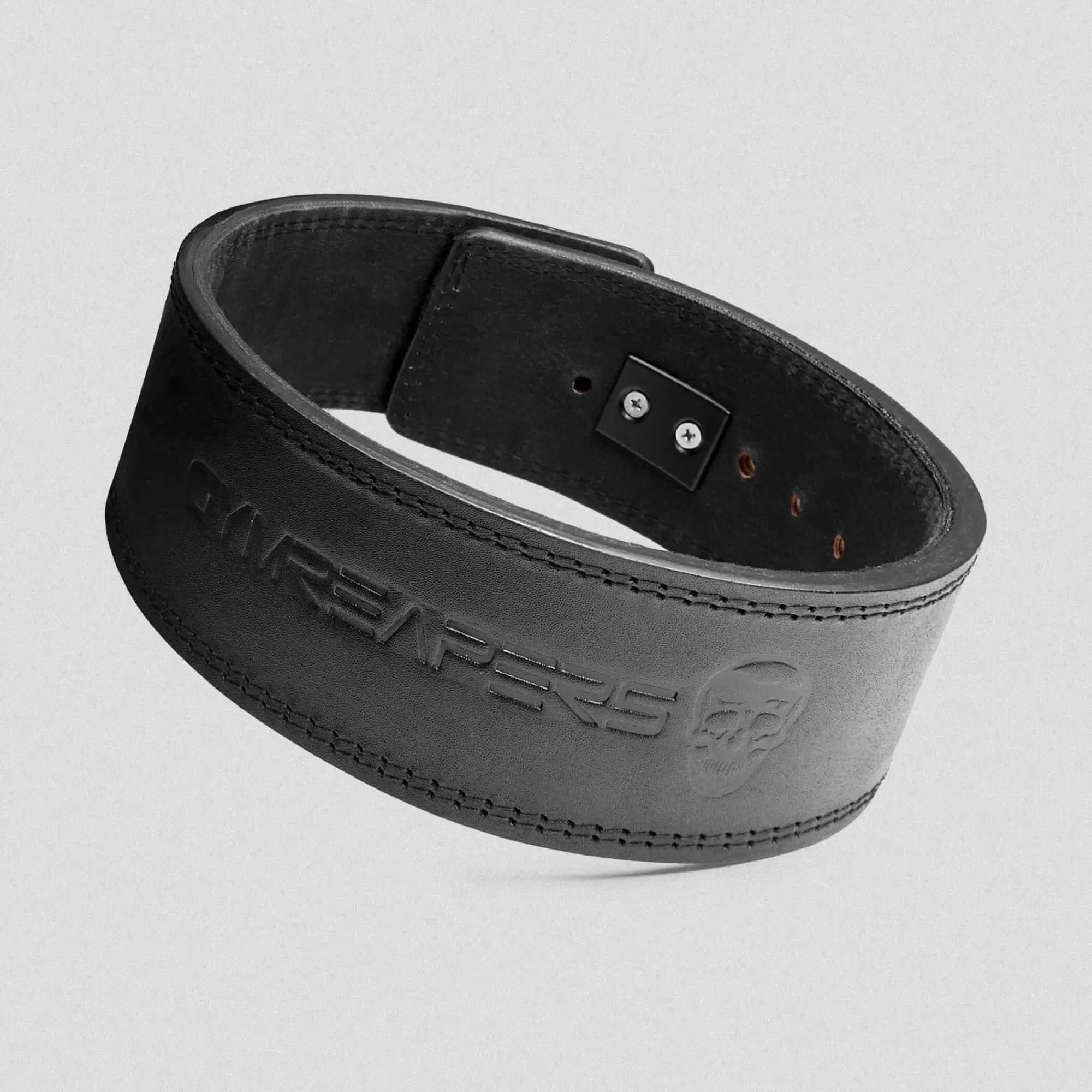
The Gymreapers 13mm Lever Belt is the opposite end of the spectrum from a quick nylon WOD belt. Gymreapers lists it as IPF, IPL, USPA, and USAPL approved, with 13mm consistent thickness and a 4-inch belt height. The product page also says it may require several break-in sessions to reach optimal fit.
That makes it useful for a specific CrossFit athlete: someone whose training week includes strength-biased squats, deadlifts, and heavy pulling days, and who wants a rigid brace more than fast transitions. In a pure strength session, a lever belt can be quick to lock and unlock once the fit is set. In a mixed workout, that same rigidity can become the problem.
The caution is movement interference. A 13mm lever belt is not what most athletes want for a workout with burpees, cycling cleans, gymnastics, or high breathing demand. SELF’s expert section also notes that belt thickness below 10mm is generally better for explosive exercise like power cleans, while more thickness can provide more support for slower, heavier exercises. That is the deciding line for this belt.
Choose this if your “CrossFit” training includes dedicated heavy barbell days and you want powerlifting-style support. Skip it if you mainly need one belt for fast class workouts.
Sources: Gymreapers 13mm Lever Belt, SELF weightlifting belt guide
5. 2POOD Straight Belt Family: For Athletes Who Want CrossFit-Specific Fit Choices
The broader 2POOD straight belt family is worth considering if you like the CrossFit-specific direction of The Ranch but want different colors, materials, or price points. 2POOD’s belt pages emphasize belly-button measurement, wide size ranges, and use on core-engaging lifts. That makes the brand easier to shop for CrossFit than brands that only explain belts through powerlifting meet standards.
This is not a separate “must-buy” over The Ranch. It is a practical alternative path: if The Ranch is unavailable, too expensive, or not your style, stay inside the same fit logic and compare other 4-inch straight belt options from the brand. Look for the same core traits: secure closure, quick loosening, enough structure for squats and pulls, and no excessive bulk when you hinge or breathe hard.
Choose this option if you already know you want a CrossFit-first 4-inch belt but need a different design. Skip it if your priority is the lowest price or a very rigid lever belt.
Source: 2POOD weightlifting belts collection
How to Choose a CrossFit Belt Without Overbuying
Start with your hardest training day, not your ego. If your hardest day is a heavy back squat or deadlift session, you can justify a stiffer belt. If your hardest day is a mixed WOD with cleans, running, burpees, and toes-to-bar, fast adjustment and comfort matter more.
Use these rules before buying:
- Choose nylon or hybrid if you need to loosen the belt during the workout.
- Choose a 4-inch belt if you want a common balance of support and movement.
- Be cautious with 5-inch backs if you have a short torso.
- Choose 10mm or 13mm leather only when heavy slow lifting is the priority.
- Measure around the belly button or natural waist where the belt will sit, not around your pants.
- Do not use a belt to mask pain, poor bracing mechanics, or a lift that needs coaching.
For more fit logic, read our CrossFit weightlifting belt fit guide. If you are building the rest of your training kit, compare our Nike Metcon 9 vs Reebok Nano X4 vs TYR CXT-2 trainer guide, CrossFit jump rope picks, and CrossFit grips for pull-ups and toes-to-bar.
When You Should Skip a Belt
Skip the belt for warm-ups, light technique work, and workouts where breathing and movement quality matter more than load. A belt can help you brace under heavy load, but it should not replace learning how to brace.
Also skip buying a belt if you are dealing with back pain and hoping gear will solve it. That is a coaching or medical question, not a shopping problem. A belt can support a good position under load; it cannot make a poor position safe by itself.
Buying Notes: Price, Stock, and Returns
Prices and stock move often, especially around sales. The prices visible in source pages during research ranged from budget nylon belts around the lower-cost end to premium lever belts above $100. Treat every price as a snapshot, not a promise.
Before buying, check three things: the brand’s current size chart, the return or exchange policy, and whether the belt can be adjusted quickly enough for the workouts you actually do. A belt that fits well on paper but cannot be exchanged is a bad risk.
FAQ
Are CrossFit weightlifting belts allowed in WODs?
Usually, yes, unless a specific competition or gym workout says otherwise. The better question is whether the belt helps the workout. Use it for heavy squats, deadlifts, cleans, and repetitive loaded movements where bracing matters. Loosen or remove it when it interferes with breathing, gymnastics, or running.
Is nylon or leather better for CrossFit?
Nylon or hybrid belts usually fit CrossFit better because they adjust quickly and interfere less during mixed work. Leather belts can be better for heavy slow lifts, but they are often too stiff for high-rep barbell cycling, burpees, or workouts with fast transitions.
How tight should a CrossFit belt be?
Tight enough that you can brace against it, not so tight that you cannot breathe or set your trunk. You should be able to take air in, brace hard, and move without the belt sliding into your ribs or hips. If you are between sizes, follow the brand’s size chart and exchange guidance.
Should beginners use a weightlifting belt?
Beginners can use a belt, but they should not rely on it before learning bracing and movement mechanics. A softer nylon belt can be less intimidating for learning belt pressure. Save rigid leather or lever belts for heavier, more strength-focused training.
Can I use one belt for squats, deadlifts, cleans, and WODs?
Yes, but expect compromise. A 4-inch nylon or hybrid belt is the most flexible one-belt solution for CrossFit. A 13mm lever belt may feel better for squats and deadlifts, but it is usually less convenient for cleans, mixed conditioning, and gymnastics transitions.
Final Verdict
For most CrossFit athletes, the safest buying logic is not “get the stiffest belt.” It is “get the belt you will actually use correctly.” The 2POOD The Ranch is the strongest all-around fit here because it points directly at CrossFit-style lifting and transitions. Rogue is the budget-friendly WOD option. Element 26 is the easier beginner entry point. Gymreapers makes sense when the training day looks more like powerlifting than a metcon.
If your week includes both heavy barbell work and fast mixed workouts, start with a 4-inch nylon or hybrid belt before stepping into rigid leather.
Sources
- 2POOD The Ranch 4-inch Weightlifting Belt
- 2POOD Weightlifting Belts Collection
- Rogue 5-inch Nylon Weightlifting Belt
- Gymreapers 13mm Lever Belt
- SELF: The Best Weightlifting Belts to Wear When Chasing PRs
- Good Housekeeping: 11 Best Weightlifting Belts, According to Athletes and Trainers
About this guide: CrossFit Norwich publishes source-backed buyer guidance for training gear. Learn more on our about page and editorial policy.