CrossFit Lifting Straps Fit Guide: Choose Support for Heavy Pulls, Olympic Lifts, and Fast WOD Transitions
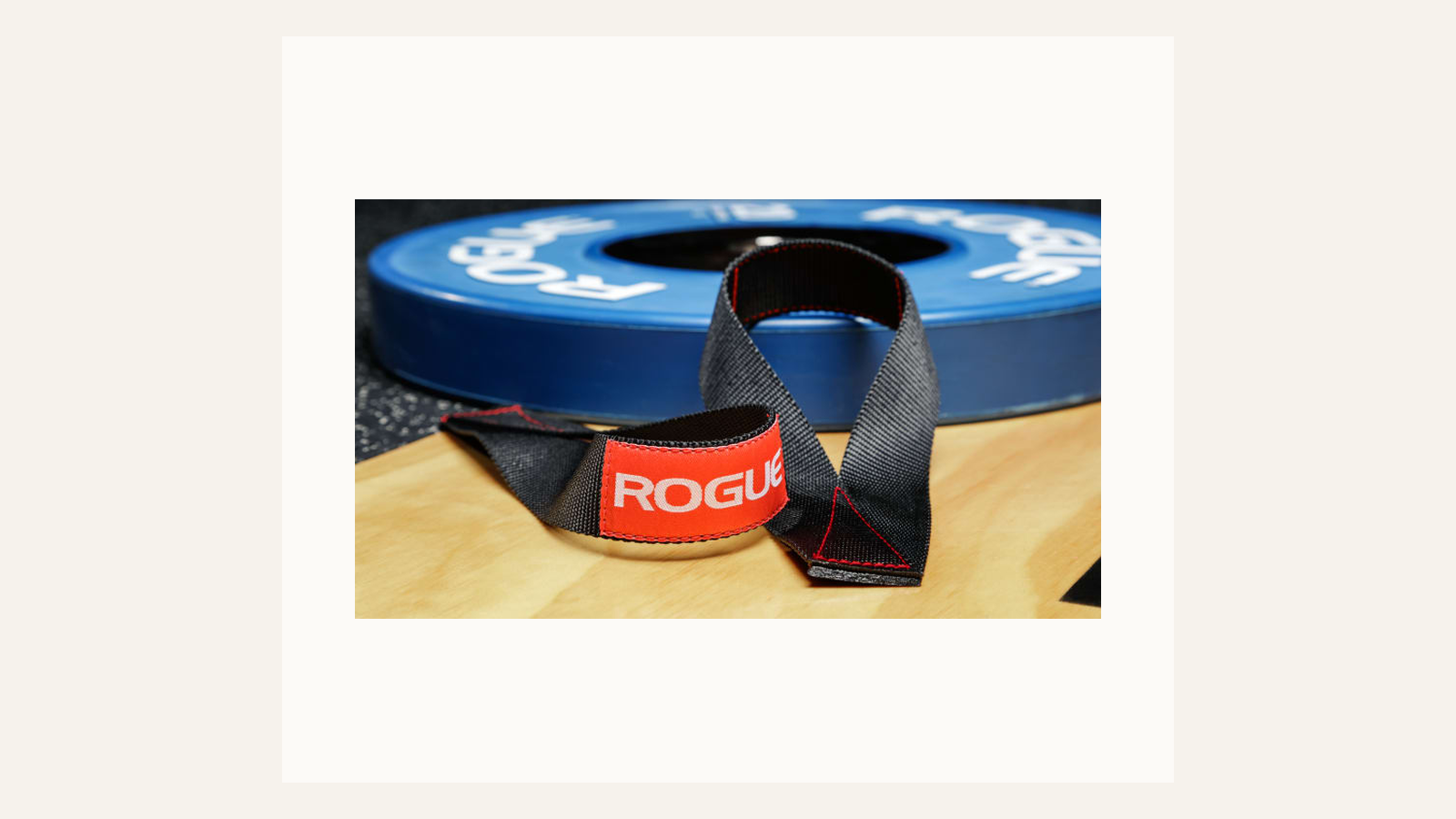
A pair of lifting straps can feel like a small upgrade until the workout changes. On heavy RDLs, rows, deadlifts, snatch pulls, or high-volume dumbbell work, straps can stop your hands from becoming the limiting factor before your posterior chain or upper back has done enough work. In a mixed WOD with pull-ups, burpees, cleans, and a fast clock, the wrong straps can become clutter.
That is the whole decision: CrossFit lifting straps should support specific pulling work, not follow you into every workout. Choose them by movement, release speed, and material feel before you compare brands.
Scope note: this guide is based on official product specifications, brand pages, and editorial research. We have not performed first-hand lab testing. For how we handle affiliate content, read our editorial policy and about page.
When CrossFit Lifting Straps Make Sense
CrossFit is not a single lifting sport. CrossFit's own overview describes a mix of functional movements, strength work, cardio, coaching, scaling, and WOD structures, which is why gear that helps one part of training can get in the way during another part. A strap that feels useful in strength accessory work may be wrong for a fast workout with frequent equipment changes.
Use lifting straps when the goal is pulling volume and your grip is the bottleneck. That usually means deadlifts, Romanian deadlifts, barbell rows, dumbbell rows, clean pulls, snatch pulls, and some heavy hinge accessories. In those sessions, the strap helps you stay connected to the bar long enough to train the target movement.
Skip straps when the workout is meant to train grip, when you need to move between the rig and barbell quickly, or when the movement involves gymnastics. For pull-ups, toes-to-bar, chest-to-bar, and muscle-up work, look at dedicated hand protection instead of lifting straps. Our guide to CrossFit grips for pull-ups and toes-to-bar covers that lane.
CrossFit Lifting Straps vs Grips, Wrist Wraps, and Belts
The confusion usually starts because several accessories sit around the wrist or hand.
Lifting straps connect your hand to the bar for pulling. They are not built to protect your palm on a rig, and they are not meant to stabilize the wrist during pressing.
Grips cover the palm and help with friction on pull-up bars, toes-to-bar, and ring work. If your issue is torn hands or bar-cycling on the rig, lifting straps are the wrong tool.
Wrist wraps support wrist positioning during pressing, front rack work, and overhead positions. If you are choosing between wraps and straps, ask whether the weak point is wrist position or grip fatigue. For that decision, see our CrossFit wrist wraps fit guide.
Belts support bracing strategy around squats, pulls, and heavy WOD lifting. They do not solve grip. If your pull breaks because the bar slips, straps may help. If your trunk position breaks, revisit our CrossFit weightlifting belt fit guide.
The Main Strap Types for CrossFit Training
Most CrossFit athletes should understand four formats before buying.
Long cotton or lasso-style straps are the general pulling option. They wrap around the bar with more material, usually feel familiar, and work well for heavy pulls, rows, and dumbbell work. The tradeoff is setup time. In a timed WOD, extra wrapping can cost seconds and attention.
Short Olympic lifting straps are built around quicker release. Rogue's Oly Lifting Straps use a 10-inch closed-loop nylon design, and Rogue says the short setup is intended for quick-release movements such as snatches. That matters because Olympic-lift practice needs confidence that the strap will not trap your hand when you miss or bail.
Leather Olympic straps aim for a different wrist feel. Rogue's Oly Leather Lifting Straps are an 11-inch closed-loop design using American leather. The official page positions them for Oly lifts and quick release, with a softer wrist feel than comparable nylon designs. The tradeoff is that leather feel is personal; some athletes like the way it breaks in, others prefer predictable fabric texture.
Speed or narrow quick-release straps reduce bulk. Rogue Speed Straps are listed as 11.75 inches long and 1 inch wide with a fixed loop. The thinner profile can suit athletes who dislike wider strap material, but it may feel less substantial for heavy pulling volume.
GQ's lifting straps guide describes the broader market in similar buckets: regular or lasso straps, Olympic straps, and figure-8 straps. For CrossFit, Olympic and standard straps are usually more relevant than figure-8 straps because mixed training often rewards release speed and versatility.
Fit Decision Tree: Start With the Movement
If you mostly do heavy pulls and rows
Start with a longer cotton strap. The Rogue Ohio Lifting Straps are a clean example of this category: Rogue lists them as 20 inches long, 1.5 inches wide, and made from cotton webbing. The official product description points to heavy pulling movements like deadlifts, rows, and shrugs.
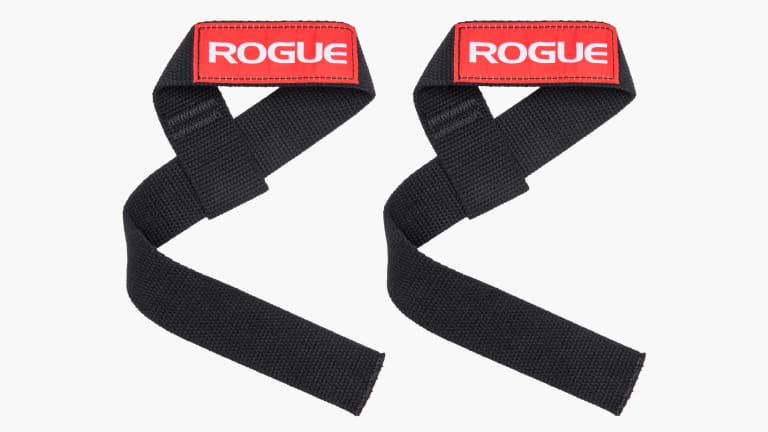
That longer format gives you more wrap around the bar. It is useful when you want a secure connection and are not rushing between stations. The cost is speed. If the workout has 21 deadlifts, 21 box jumps, 15 deadlifts, 15 box jumps, and a strict time cap, you may decide that raw grip or chalk is simpler.
Choose this lane when the training note says strength, accessory pulling, posterior-chain volume, or controlled barbell work.
If you practice snatches, cleans, or pulls from blocks
Look at short Olympic straps. Rogue's 10-inch Oly Lifting Straps and 11-inch Oly Leather Lifting Straps both use a closed-loop format intended for faster setup and release around Olympic lifts.
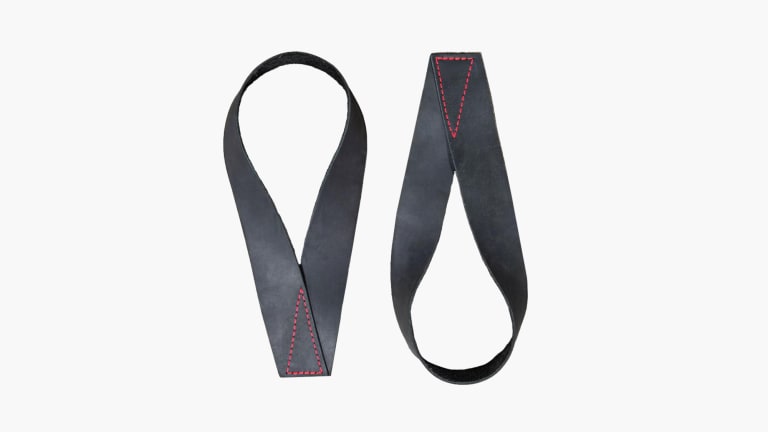
The key is not maximum lock-in. The key is letting go when the lift goes wrong. A strap that feels secure on a slow deadlift may feel too committed during a snatch drill. If you are new to Olympic lifting, ask a coach before using straps for full lifts. Many athletes begin with pulls or hang variations before using straps in more dynamic work.
Choose this lane when the session is technique-focused, the coach has allowed straps, and you need less hand fatigue across repeated pulling practice.
If you hate bulk around the wrist
A narrower quick-release strap may fit better than a wide strap. Rogue Speed Straps are listed at 1 inch wide and 11.75 inches long, which makes them visibly slimmer than many 1.5-inch straps.
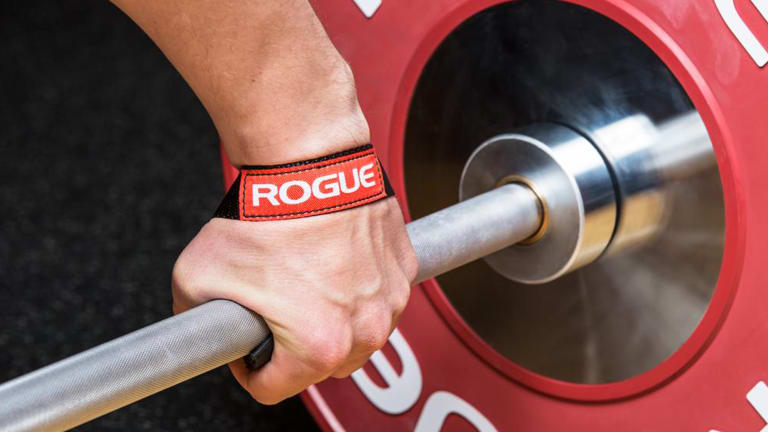
This is a comfort and handling choice, not a universal upgrade. A narrow strap can feel cleaner in the hand but less substantial under load. If you are buying your first pair and do not already know you dislike wider straps, a standard cotton or short Oly strap is the safer starting point.
Choose this lane when fast handling matters and you already know bulky straps annoy you.
Material: Cotton, Nylon, or Leather?
Cotton is the easiest starting point for heavy pulling. It tends to feel familiar, wraps predictably, and works across rows, deadlifts, and dumbbell work. It can fray over time, so check stitching and edge wear.
Nylon usually feels smoother and more durable, but some athletes dislike how it feels when wet or sweaty. Rogue describes its nylon Oly straps as more cost-efficient than leather and more durable than many cotton straps, while also noting that different materials suit different comfort preferences.
Leather can feel better against the wrist once you like the shape and texture. It is not automatically better. It can cost more, and the feel is more personal. Choose leather when wrist comfort matters and you are buying for repeated Olympic-lift practice rather than occasional gym-bag use.
Common Mistakes When Buying Lifting Straps for CrossFit
The first mistake is buying for maximum security. Figure-8 straps and very locked-in setups can be useful in strongman or heavy deadlift contexts, but CrossFit training often asks you to release, transition, and reset. Secure is not always practical.
The second mistake is using straps to avoid grip work forever. If every pulling set is strapped, your grip may stay the limiting factor when the workout does not allow straps. Keep some raw sets in your week.
The third mistake is confusing wrist pain, hand tears, and grip fatigue. Lifting straps only address the third problem. For hand tears, look at grips. For wrist position, look at wraps. For bracing and trunk position, look at belts.
The fourth mistake is taking straps into a workout where they slow you down. If the WOD includes barbell pulls plus burpees, rope climbs, double-unders, or rig work, straps may add more handling than help.
Product Examples by Scenario
Use these as reference points, not a ranked list.
For controlled heavy pulls: Rogue Ohio Lifting Straps suit the long cotton strap lane. The 20-inch length gives more material to wrap, and the official specs list cotton webbing, a 1.5-inch width, and reinforced construction.
For Olympic-lift release speed: Rogue Oly Lifting Straps fit the short nylon Oly lane. The official specs list a 10-inch closed-loop strap with 1.5-inch width, and Rogue describes the design as suited to quick-release movements like snatches.
For a softer Oly strap feel: Rogue Oly Leather Lifting Straps fit athletes who want a short closed-loop strap but prefer leather against the wrist. The official page lists an 11-inch closed loop and 0.125-inch American leather.
If you are also comparing training shoes for mixed WOD days, our Nike Metcon 9 vs Reebok Nano X4 vs TYR CXT-2 comparison explains how shoe stability and transitions affect the same training environment.
Practical Buying Checklist
Before you buy, answer these five questions:
- Is the strap for heavy pulls, Olympic-lift practice, or mixed WODs?
- Do you need fast release or maximum wrap security?
- Do you prefer cotton texture, nylon smoothness, or leather wrist feel?
- Will the strap interfere with the next movement in the workout?
- Are you still doing some raw grip work each week?
If you cannot answer those yet, start simple. A standard cotton strap for pulling accessories or a short Oly strap for coached Olympic-lift work is easier to justify than a niche strap you only use twice.
FAQ
Are lifting straps allowed in CrossFit workouts?
It depends on the gym, workout, and event rules. In normal training, your coach may allow straps for strength or accessory work. In benchmark WODs, competitions, or workouts where grip is part of the intended challenge, straps may be discouraged or disallowed. Ask before using them.
Should beginners use CrossFit lifting straps?
Beginners should first learn basic pulling mechanics and grip positions. Straps can be useful later when grip limits a specific strength session, but they should not hide poor setup, rushed technique, or a load that is too heavy for the intended stimulus.
Are lifting straps the same as CrossFit grips?
No. Lifting straps help connect your hand to a barbell or dumbbell for pulling. Grips protect the palm and help with rig movements such as pull-ups and toes-to-bar. They solve different problems.
Which strap type is better for snatches?
Short Olympic straps are usually the more relevant category because they are built around faster release. Rogue's Oly strap pages specifically discuss quick-release movements. Use them with coaching, especially if you are still learning how to bail safely.
Can I use lifting straps for deadlifts in CrossFit?
Yes, when the session is heavy pulling or accessory strength work. Be more cautious in timed WODs where setup time and transition speed matter. If the workout is meant to test raw grip, leave the straps in your bag.
Do lifting straps replace grip training?
No. Straps are a tool for specific pulling work. Keep some unstrapped carries, hangs, rows, deadlifts, or pull-up work in your training if grip capacity matters to your goals.
Title Candidates
- CrossFit Lifting Straps Fit Guide: Choose Support for Heavy Pulls, Olympic Lifts, and Fast WOD Transitions
- Do CrossFit Athletes Need Lifting Straps? A Practical Fit Guide for Pulling Work
- Cotton vs Nylon vs Leather Lifting Straps for CrossFit: How to Pick the Right Pair
- The CrossFit Pulling Gear Gap: When Lifting Straps Help and When They Slow You Down
- Before You Buy CrossFit Lifting Straps, Match the Strap to the Workout
Sources
- CrossFit: What is CrossFit?
- Rogue Fitness: Rogue Oly Lifting Straps
- Rogue Fitness: Rogue Ohio Lifting Straps
- Rogue Fitness: Rogue Oly Leather Lifting Straps
- Rogue Fitness: Rogue Speed Straps
- GQ: How to Use Lifting Straps 101
CrossFit lifting straps are useful when they serve the session. Buy for the pull you actually train, keep transitions honest, and do not let a small accessory blur the difference between strength support and workout clutter.