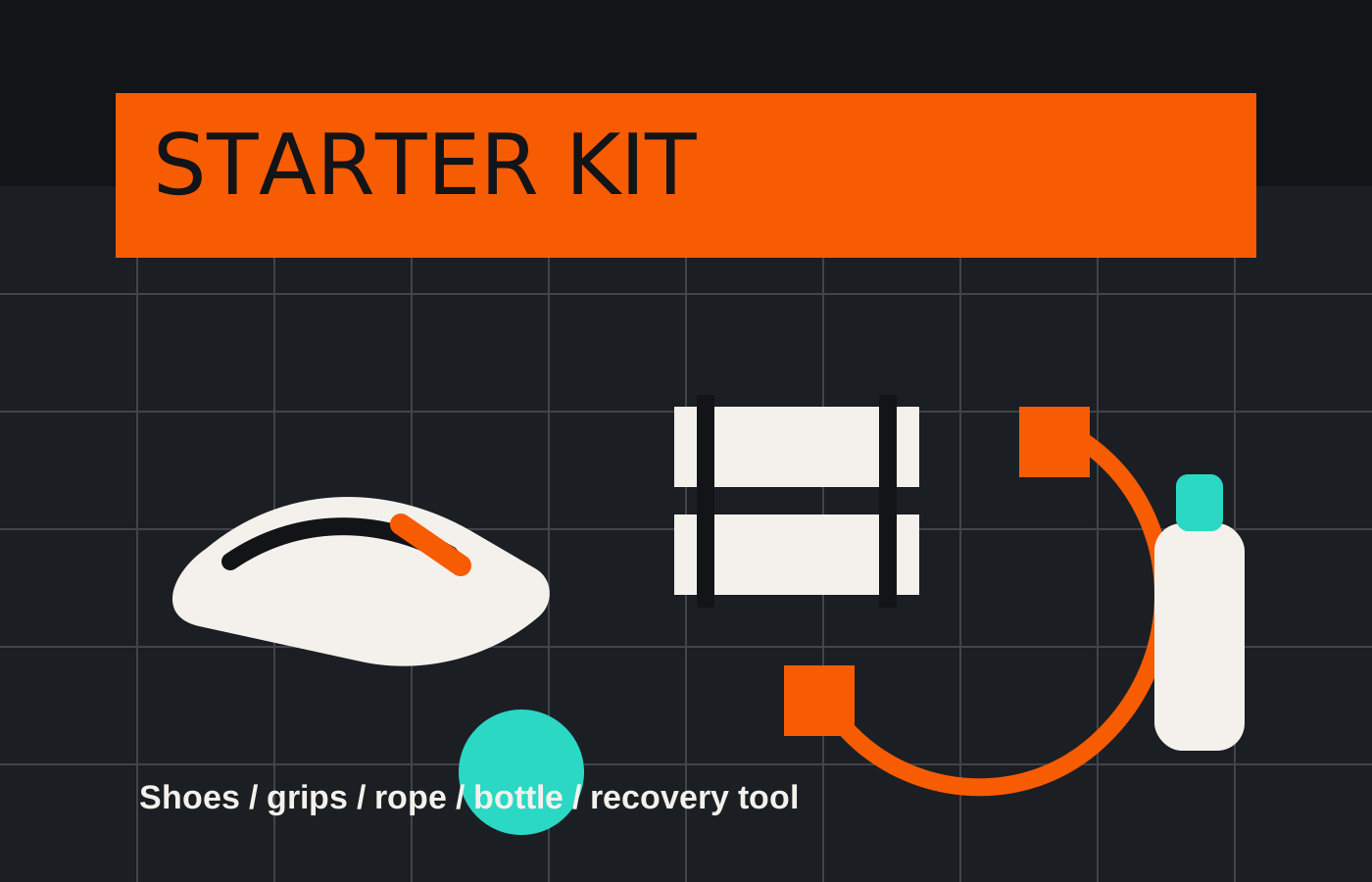
Start With Movement Fit
The first month of CrossFit exposes weak gear quickly. Shoes that feel fine on a treadmill can feel soft under cleans. Grips that look durable can bunch up during toes-to-bar. A cheap rope can be useful for practice, but the handle weight and cable coating still matter once you start linking double-unders.
Use this starter kit as a buying order, not a shopping list. Buy what solves a training problem you already have, then upgrade after you know which movements appear most often in your programming.
The Five Pieces Worth Buying First
- Stable training shoes. Look for a low-to-moderate heel drop, lateral stability, rope-climb protection, and enough forefoot flex for box jumps.
- A speed rope. A rope with adjustable cable length and replaceable cable gives you room to progress without replacing the whole setup.
- Training grips. Choose grips after you know whether your box uses smooth, powder-coated, or heavily textured pull-up bars.
- A durable bottle. Hydration gear is not glamorous, but a bottle that survives being kicked under a rig is useful every session.
- One recovery tool. A lacrosse ball, band, or compact roller is enough before you understand your actual mobility limits.
What To Delay
Do not rush into weightlifting belts, knee sleeves, vests, or specialty shoes before a coach has seen your movement. Those items can help, but they can also hide a position problem or solve a training issue you do not yet have.
Deal Check
Starter-kit deals are only valuable when sizing, returns, and replacement parts are clear. A slightly cheaper shoe with poor sizing guidance can cost more than a full-price pair that fits correctly and survives rope climbs.
Bottom Line
Buy the gear that keeps you training consistently: stable shoes, a rope, grips when your hands need them, hydration, and one recovery tool. Everything else can wait until your workouts show a real need.